• Skip to main content
  • Skip to footer

The British Association of Prosthetics and Orthotics

  • About Us
    • Who are BAPO?
    • Who are the prosthetic and orthotic workforce?
    • Office Bearers
    • Staff
    • Committees
      • Executive Committee (EC)
      • Education Committee
      • Editorial Committee
      • Professional Affairs Committee
      • Research Committee
      • Technician and Support Worker Committee
    • BAPO’s Patron
    • BAPO Partner Programme
      • Association Partner Programme
      • BAPO Partner Programme
      • Journal Partnership
      • All Other Partnerships
    • BAPOConnect
      • Submit an article
      • Advertise in BAPOConnect
    • Advertise with us
      • Advertise products and services
      • Advertise job vacancies
      • Advertisement Programme
    • Contact Us
  • Membership
    • BAPO Membership
    • Members Area
    • Insurance
    • Learners
  • Events
    • Awards
      • BAPO P&O Awards 2026
      • BAPO P&O Awards 2025
      • Lifetime Achievement Award in Prosthetics & Orthotics
      • Previous Award Winners
      • Orthotist of the Year
      • Prosthetist of the Year
      • Advancing Healthcare Awards
        • Previous Advancing Healthcare Winners
    • BAPO Courses & Webinars
      • Short Courses & Webinars
      • Connected Care
      • Future Clinician Series
      • Teatime Talks
      • Tech and Trends
    • BAPO Regional Conferences
      • BAPO Regional Conference Wales
      • BAPO Regional Conference Oxford -24.04.2026
    • Events Calendar
    • P&O Day 2026 – Beyond the device
    • Past Conferences
      • Cardiff 2024
      • West Midlands 2024
      • Wigan 16/05/2025
      • BAPO Regional Conference – Glasgow 21/11/2025
        • Posters – Regional Conference 21/11/2025 Glasgow
  • Resources
    • Advancing Practice
    • BAPO’s Standards, Policies, and Guides
    • Early Career Support
    • Equality Diversity and Inclusion (EDI)
    • Education Resources
      • The Educator Workforce
      • BAPO Learner Hub
      • BAPO Simulation
    • Locum and Private Practice Register
    • Mental Health and Wellbeing Support
    • Mentoring
    • National guidance, policies, and strategies
    • OETT Orthotic Education & Training Trust
    • Charities supporting the prosthetic and orthotic user
    • Public Health
    • Research Resources
    • Resources for employers
  • Campaigns
    • International Collaboration
    • Prosthetics and Orthotics Stakeholder Group
    • Prosthetics and Orthotics Awareness Campaign
    • Legs Matter
    • The Leg Ulcer Forum
    • Prescribing Rights
    • Sustainability
  • Careers
    • Careers
    • Career Outreach Team
    • Career Changers
    • Career Information for Schools and Colleges
    • Apprenticeships
    • Jobs in P&O
    • Places to Study
    • Return to Practice
    • Support Workers and Technicians
    • Work Experience in Prosthetics and Orthotics
  • Education
    • BAPO Bitesize
    • BAPO Learner Hub
    • Connected Care
    • Early Career Support
    • Education Resources
    • Future Clinician Series
    • Short Courses & Webinars
    • Teatime Talks
    • Tech and Trends

Search Results for: work experience

2nd January 2025 by BAPO Admin

Advanced Practice

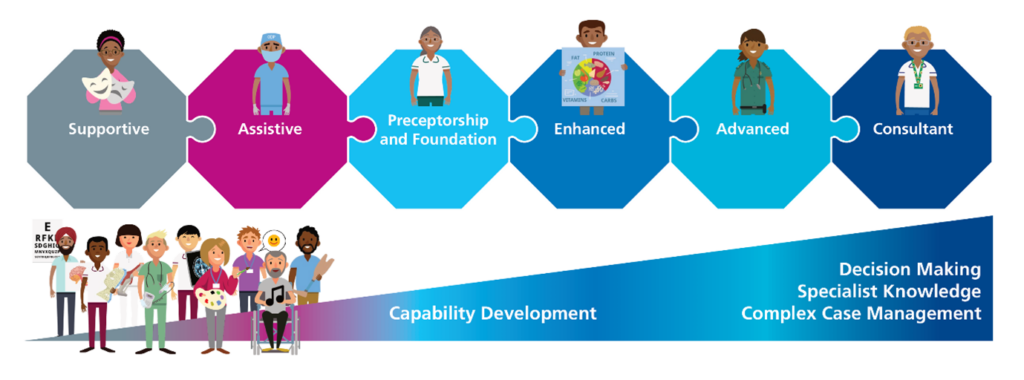
Source: Reproduced from NHS England

Resources

Advanced practice infographic 2Download
Patient Group Directions
Patient Group DirectionsDownload
Advanced Practice in Prosthetics and Orthotics

BAPO-Advanced-Practice-in-Prosthetics-and-Orthotics-compressed-1.pdf

IRMER Guidance
IRMER Guidance Main
IRMER Guidance Appendix
Advanced Practice for prosthetists and orthotists
Advanced Practice for P&ODownload
Advanced Practice for employers
Advanced Practice for employersDownload
Regional support for Advancing Practice 

NHS England has made a significant investment in the formation of a multi-professional Faculty in each of its seven regions, to drive change at a local level.  The teams offer information and advice on all aspects of Advancing Practice, including how to access funding and the level of support available for supervisor costs:

Guidance and resources – Advanced Practice (hee.nhs.uk)   – North East and Yorkshire

Midlands Guidance and Resources – Advanced Practice (hee.nhs.uk) – Midlands

Regional Faculty for Advancing Practice – North West – Advanced Practice (hee.nhs.uk) – North West

Guidance and resources – Advanced Practice (hee.nhs.uk) – East Midlands

London Faculty Guidance, Tools and Resources – Advanced Practice (hee.nhs.uk) – London

South West Resources – Advanced Practice (hee.nhs.uk) – South West

Tools and resources – Advanced Practice (hee.nhs.uk) – South East

Regional Faculties for Advancing Practice – Advanced Practice (hee.nhs.uk)


Frequently Asked Questions (FAQs)

General

What is the difference between enhanced and advanced practice?

Enhanced and advanced practice are different levels of professional practice. At each level of practice, a health and care professional’s ability to handle complexity and risk increases.
 
At an enhanced level of practice, practitioners will have additional knowledge and skills in a field of expertise. They will manage discrete aspects of a patient’s care, often particular to specific conditions and groups of patients.
 
At an advanced level of practice practitioners will have developed their knowledge, skills and expertise in their area of practice even further. They will be able to manage the whole episode of a patient’s care from the time they first present, through to the end of the episode.

What is the difference between an ‘advanced practitioner’ and an ‘advanced clinical practitioner’?

Advanced practice is a level of professional practice rather than a job title. In practice, a variety of titles, often interchangeable, are used for practitioners who practise at an advanced level. They include ‘advanced practitioner’ and ‘advanced clinical practitioner’.
 
‘Advanced clinical practitioner’ is sometimes used for advanced practice roles in specific clinical areas or for advanced practice roles which cut across care pathways and professional boundaries and utilise the knowledge and skills of practitioners from a range of different professional backgrounds.


Prosthetists and orthotists

How do I become an advanced practitioner?

Education and training in advanced practice is undertaken by health and care professionals with substantial professional experience. They will have already progressed into roles at the enhanced level of practice, most likely at Agenda for Change Bands 6 or 7, before undertaking training.
 
Advanced practice education and training has developed over time and there will be existing advanced practitioners who have followed different educational pathways in the past.
 
In England, becoming an advanced practitioner now involves being appointed to a trainee advanced practitioner post and completing a Master’s programme in advanced practice. The Master’s programme normally takes three years and involves both academic preparation and clinical preparation in the workplace, allowing the trainee to demonstrate all the required capabilities for advanced practice. Once the programme is completed, the trainee is then employed by their employer as a fully qualified advanced practitioner.

I already have a pre-registration Master’s degree in prosthetics and orthotics. Does this mean I am an advanced practitioner?

No.
 
Some prosthetists and orthotists will have completed a pre-registration Master’s degree in prosthetics and orthotics which allowed them to become registered with the HCPC. Their programme will have developed their academic skills at Master’s level and allowed them to demonstrate the threshold standards of proficiency for entry to the HCPC Register as a prosthetist and orthotist.
 
Any prosthetist and orthotist who has completed pre-registration education and training at degree or Master’s level would need to build their capability and post-registration experience before being appointed to a trainee advanced practitioner position and undertaking an accredited Master’s programme in advanced practice which addresses the required advanced level capabilities across all four pillars of practice.

I already have a post-registration Master’s degree in prosthetics and orthotics. Do I need to complete another Master’s programme if I want to be an advanced practitioner?

Yes.

Some prosthetists and orthotists may have undertaken post-registration Master’s degrees in prosthetics and orthotics or in other profession-focused areas to support their personal and professional development.

If they wanted to become an advanced practitioner, they would still need to complete an accredited Master’s programme in advanced practice that has been mapped to the required capabilities, as outlined above. They might ask the education provider delivering the Master’s programme in advanced practice whether they can receive any credit for their previous Master’s level study. However, that would be a decision made by the education provider at their discretion, based on their policies for accreditation of prior (experiential) learning or ‘AP(E)L’

What is the difference between completing a Master’s in advanced practice and a Master’s in advanced practice degree apprenticeship?

Accredited Master’s programmes in advanced practice are delivered by universities. They are either conventional Master’s programmes or Master’s degree apprenticeship programmes.

Both types of programmes are very similar in content and structure and both will have been mapped against the required advanced-level capabilities across all four pillars of practice.  The main difference is in how the programmes are funded.

Prosthetists and orthotists are unable to prescribe medicines. Does this mean that they cannot become advanced practitioners?

No.

The specific regulated professions that are able to access mechanisms to sell, supply, administer and prescribe medicines is set out in legislation. Prosthetists and orthotists are not currently able to train to become prescribers.

The ability to prescribe is not a requirement for, or an integral part of, advanced

practice education and training and is not a requirement to be able to practise at an

advanced level.

However, we know that employers may sometimes decide that being able to prescribe is an important requirement for specific advanced practice roles and to maximise the usefulness of advanced practitioners to some care pathways. This can limit opportunities for prosthetists and orthotists

Prosthetists and orthotists and their employers are encouraged to make best use of the existing mechanisms available to the profession, including Patient Specific Directions (PSDs) and Patient Group Directions (PGDs).

You can find more information about prescribing and advanced practice here.

What is the purpose of the ePortfolio (supported) route run by the Centre for Advancing Practice? Can I use this to train as an advanced practitioner?

NHS England’s Centre for Advancing Practice runs the ePortfolio (supported) route. This is a time-limited route to recognising existing, experienced advanced practitioners in England who are already in role, but who have completed different qualifications in the past or who completed their training before the Multi-professional framework for advanced practice was first published in 2017.

Eligible applicants are supported to produce a portfolio of evidence to demonstrate their advanced-level capabilities. If successful, they will be issued with a ‘digital badge’, an electronic certification which recognises their achievement at advanced-level.

This is a recognition route only, so is not a way of training to be an advanced practitioner.
How do I become an advanced practitioner?

Education and training in advanced practice is undertaken by health and care professionals with substantial professional experience. They will have already progressed into roles at the enhanced level of practice, most likely at Agenda for Change Bands 6 or 7, before undertaking training.
 
Advanced practice education and training has developed over time and there will be existing advanced practitioners who have followed different educational pathways in the past.
 
In England, becoming an advanced practitioner now involves being appointed to a trainee advanced practitioner post and completing a Master’s programme in advanced practice. The Master’s programme normally takes three years and involves both academic preparation and clinical preparation in the workplace, allowing the trainee to demonstrate all the required capabilities for advanced practice. Once the programme is completed, the trainee is then employed by their employer as a fully qualified advanced practitioner.

I already have a pre-registration Master’s degree in prosthetics and orthotics. Does this mean I am an advanced practitioner?

No.
 
Some prosthetists and orthotists will have completed a pre-registration Master’s degree in prosthetics and orthotics which allowed them to become registered with the HCPC. Their programme will have developed their academic skills at Master’s level and allowed them to demonstrate the threshold standards of proficiency for entry to the HCPC Register as a prosthetist and orthotist.
 
Any prosthetist and orthotist who has completed pre-registration education and training at degree or Master’s level would need to build their capability and post-registration experience before being appointed to a trainee advanced practitioner position and undertaking an accredited Master’s programme in advanced practice which addresses the required advanced level capabilities across all four pillars of practice.

I already have a post-registration Master’s degree in prosthetics and orthotics. Do I need to complete another Master’s programme if I want to be an advanced practitioner?

Yes.

Some prosthetists and orthotists may have undertaken post-registration Master’s degrees in prosthetics and orthotics or in other profession-focused areas to support their personal and professional development.

If they wanted to become an advanced practitioner, they would still need to complete an accredited Master’s programme in advanced practice that has been mapped to the required capabilities, as outlined above. They might ask the education provider delivering the Master’s programme in advanced practice whether they can receive any credit for their previous Master’s level study. However, that would be a decision made by the education provider at their discretion, based on their policies for accreditation of prior (experiential) learning or ‘AP(E)L’

What is the difference between completing a Master’s in advanced practice and a Master’s in advanced practice degree apprenticeship?

Accredited Master’s programmes in advanced practice are delivered by universities. They are either conventional Master’s programmes or Master’s degree apprenticeship programmes.

Both types of programmes are very similar in content and structure and both will have been mapped against the required advanced-level capabilities across all four pillars of practice.  The main difference is in how the programmes are funded.

Prosthetists and orthotists are unable to prescribe medicines. Does this mean that they cannot become advanced practitioners?

No.

The specific regulated professions that are able to access mechanisms to sell, supply, administer and prescribe medicines is set out in legislation. Prosthetists and orthotists are not currently able to train to become prescribers.

The ability to prescribe is not a requirement for, or an integral part of, advanced

practice education and training and is not a requirement to be able to practise at an

advanced level.

However, we know that employers may sometimes decide that being able to prescribe is an important requirement for specific advanced practice roles and to maximise the usefulness of advanced practitioners to some care pathways. This can limit opportunities for prosthetists and orthotists

Prosthetists and orthotists and their employers are encouraged to make best use of the existing mechanisms available to the profession, including Patient Specific Directions (PSDs) and Patient Group Directions (PGDs).

You can find more information about prescribing and advanced practice here.

What is the purpose of the ePortfolio (supported) route run by the Centre for Advancing Practice? Can I use this to train as an advanced practitioner?

NHS England’s Centre for Advancing Practice runs the ePortfolio (supported) route. This is a time-limited route to recognising existing, experienced advanced practitioners in England who are already in role, but who have completed different qualifications in the past or who completed their training before the Multi-professional framework for advanced practice was first published in 2017.

Eligible applicants are supported to produce a portfolio of evidence to demonstrate their advanced-level capabilities. If successful, they will be issued with a ‘digital badge’, an electronic certification which recognises their achievement at advanced-level.

This is a recognition route only, so is not a way of training to be an advanced practitioner.
Webinar

Filed Under: News

Wigan 16/05/2025 – Tickets available

Four Pillars Conference ItineraryDownload

Our first regional conference for 2025 will be held at Kilhey Court Chorley Road, Standish Nr Wigan, WN1 2XN. You can find information regarding the hotel here.  

Exciting New Initiative:

Fully Funded Tickets for Our Next Regional Conference

We are thrilled to announce an exciting new initiative aimed at strengthening our connection with our members and making our conference accessible to all our members. As part of our commitment to inclusivity and engagement, we are trialling a new initiative that offers fully funded tickets to our next regional conference.

About the Initiative

This initiative is designed to ensure that everyone has the opportunity to experience our next regional conference. There will be a limited number of tickets available and they will be issued on a first come first served basis. We recommend you ensure your BAPO membership is fully up to date to ensure you are eligible.

Non-members will have the opportunity to purchase tickets at the early bird price of £105 per ticket. After this period ends, tickets will be available to purchase for £120 each.

How It Works

  • Eligibility: The funded ticket program is open to all BAPO members.
  • Application Process: BAPO members can register for a ticket through our website when the tickets go live on February 19th 2025 at 10am.
  • Terms and Conditions: Full terms and conditions will be released once registration opens.

Tickets

  • One ticket per member: Only one funded ticket per member can be claimed for this event.
  • Transferring tickets: Tickets cannot be re-sold. Tickets can only be transferred to another BAPO member via BAPO.

We are excited to embark on this journey to make our events more inclusive and accessible. We encourage BAPO members to take advantage of this opportunity and experience our conference firsthand.

As of 19th February at 10:00 am please log on to your member account to register for your ticket. Be quick, we anticipate these tickets to sell out fast! 

We look forward to welcoming you to our conference!

Member tickets here

Non-member tickets here

Call for Abstracts

Submission deadline for free paper abstracts has now closed. 

Oral presentations and poster presentations will be notified by Friday 21st February 2025

The full programme will be published by Friday 28th February 2025

If you have any questions regarding your submission, please email enquiries@bapo.com


Invited Speakers


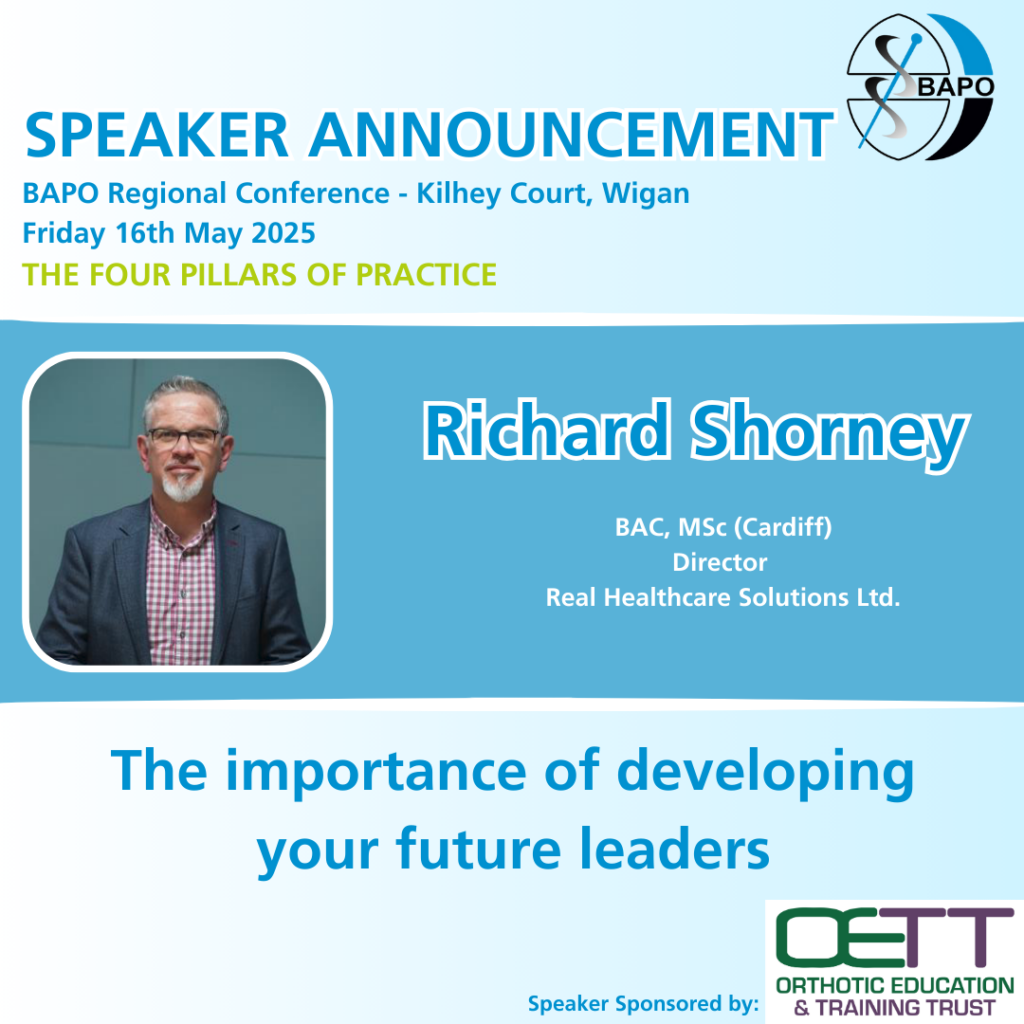
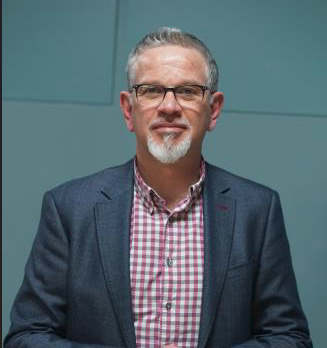
Richard Shorney’s Bio

Richard Shorney

The importance of developing your future leaders

Richard has a unique and diverse background in healthcare and business. His skill set has been developed over the past 28 years in both clinical practice and having worked in the medical device and life sciences sectors.
Richard is the proud founder of Real Healthcare Solutions Ltd. That has been set up for the benefit of healthcare organisations; industry; the clinician and ultimately focused on improved outcomes for patients. He has a Business Certificate from Ashridge Management College and an MSc from the University of Cardiff.
Richard speaks passionately about leadership and global healthcare issues and has been fortunate to facilitate national healthcare leadership programmes; global advisory groups and DHSC steering groups.
He is well-published in a number of peer reviewed journals and speaks at national and international events on business and healthcare topics.
He enjoys his family life in Cheshire and pursues his passions of most sports, both actively and from the comfort of an armchair.
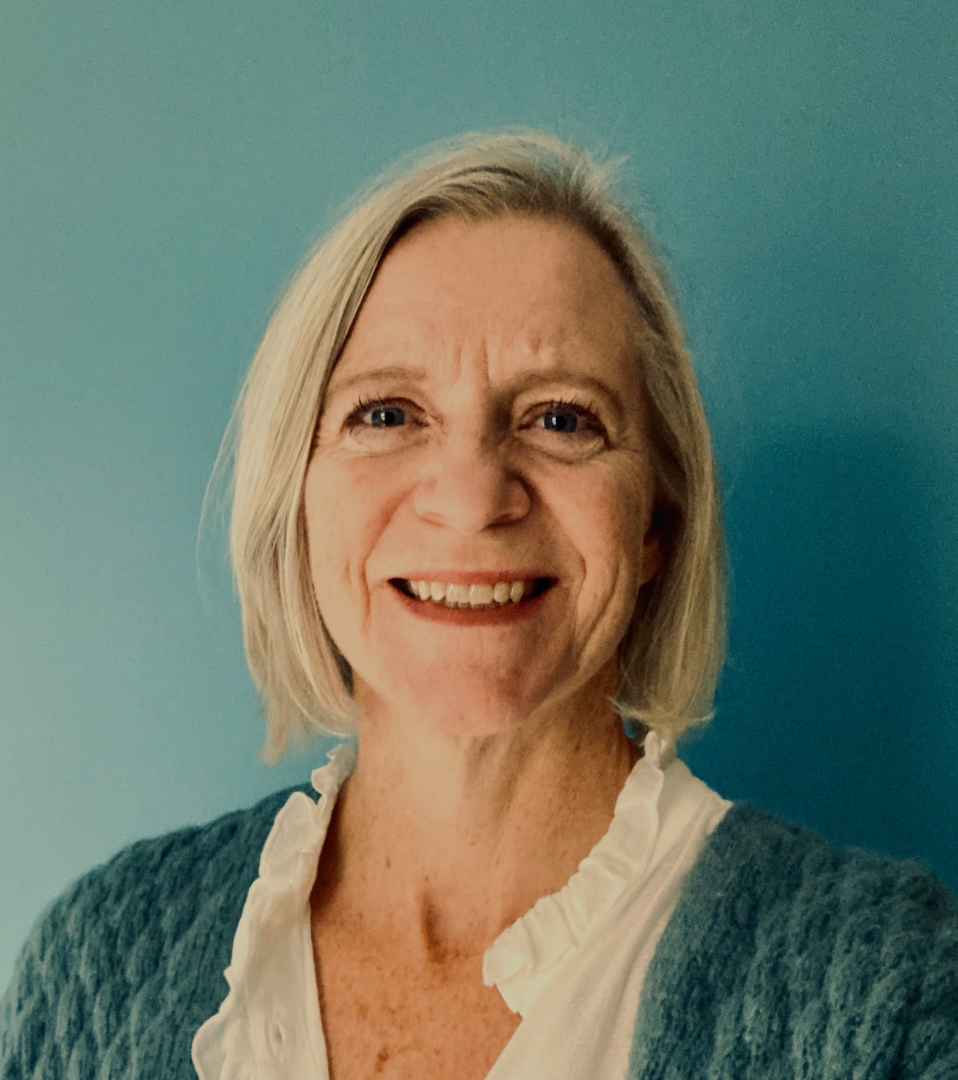
    Dr Siobhán Strike’s Bio

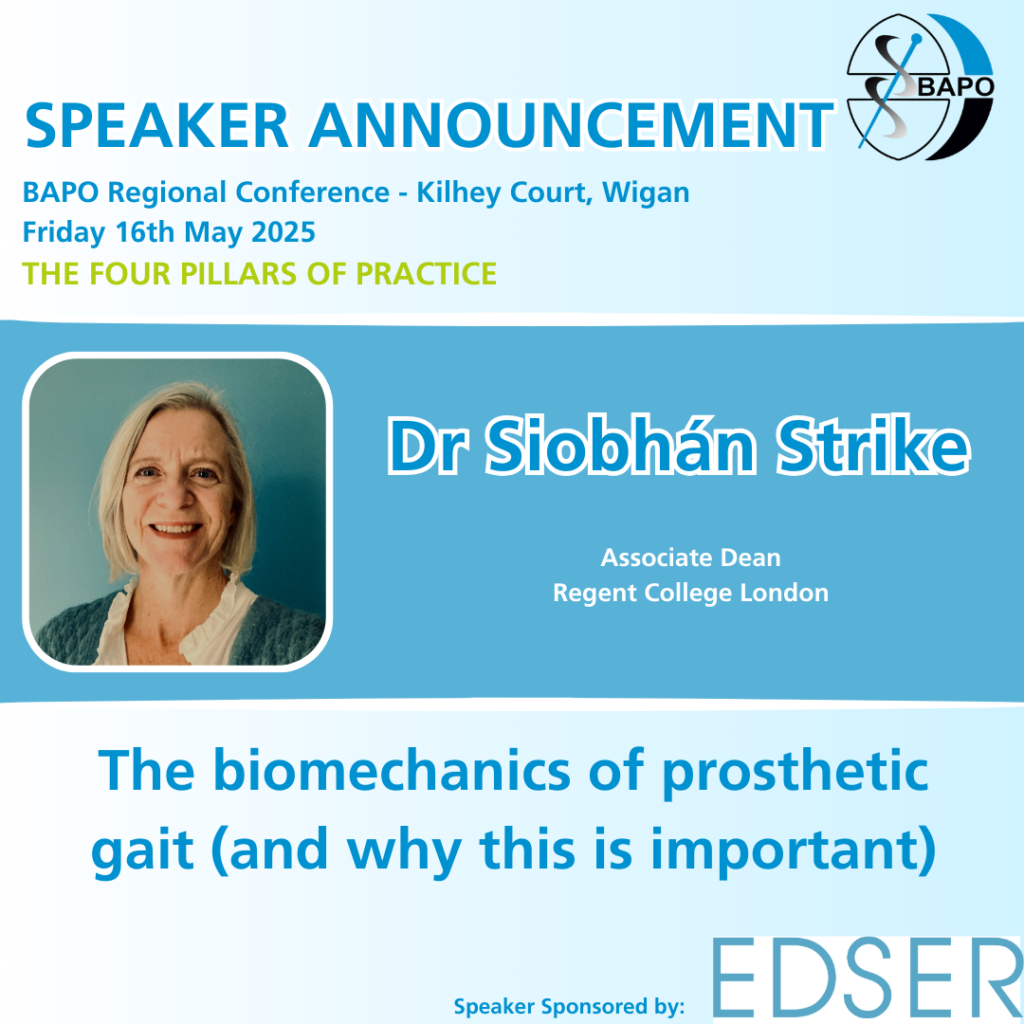
    Dr Siobhán Strike

    The biomechanics of prosthetic gait (and why this is important)

    Dr Siobhán Strike is Associate Provost at Regent College London. Over the past 30 years I have lectured and researched musculoskeletal biomechanics, bridging the gap between Exercise Science and Exercise Medicine. My expertise in laboratory, clinical and field technologies to measure different constructs of strength and functional movement results in data to inform, manage and assess exercise-based rehabilitation and prosthetic design. This research has underpinned the development and validation of an effective physical activity intervention and the evaluation of prosthetic stiffness. I have published widely and has presents internationally across a range of fields. I have recently started a consultancy to support clinicians to monitor gait capacity in patients.
      Venus Madden’s Bio

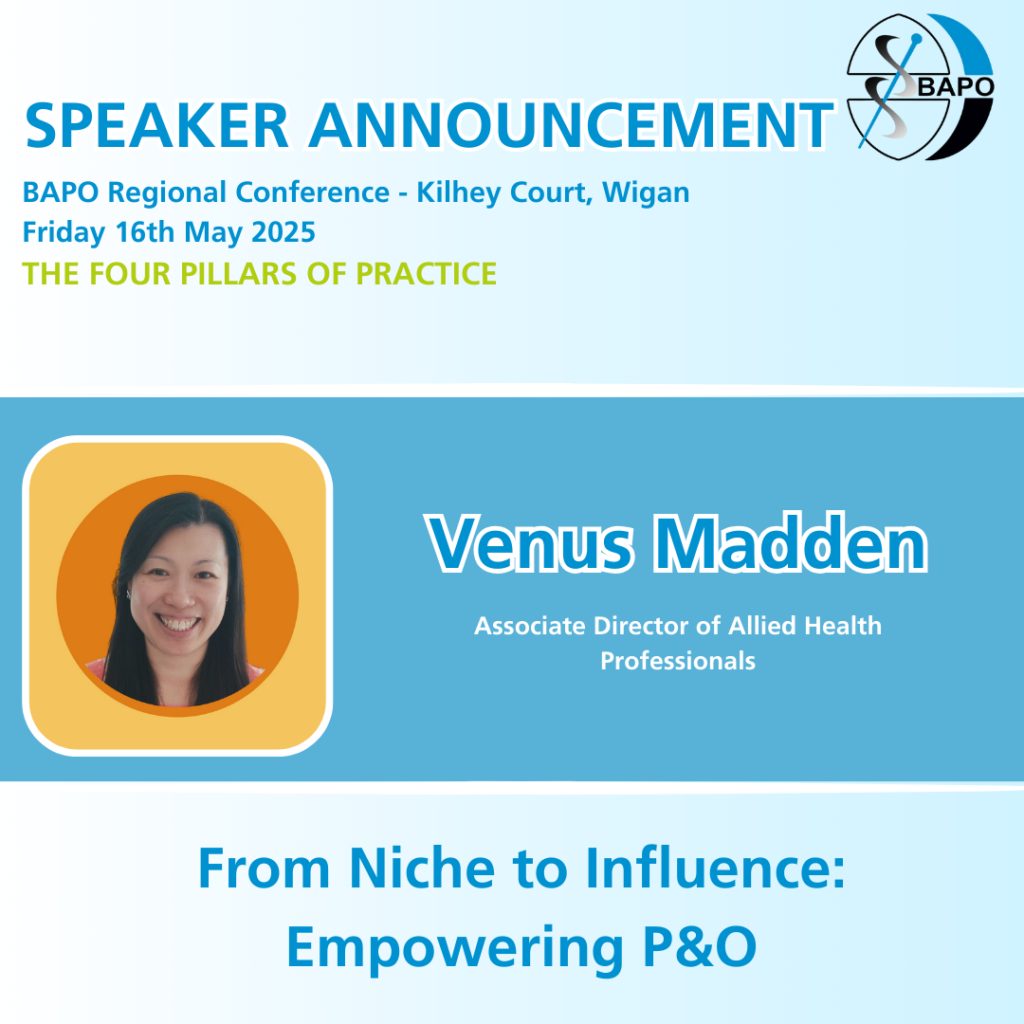
      Venus Madden

      From Niche to Influence: Empowering P&O

      Venus Madden, a registered Occupational Therapist with over 20 years’ experience in the health and care sector, is currently the Associate Director of Allied Health Professions (AHPs) at an acute Trust. Formerly a Clinical Fellow to England’s Chief AHP Officer, she supported and socialised the implementation of the latest AHP strategy. Passionate about cognitive diversity, organisational behaviour, and BAME representation, Venus draws on her lived experiences to inspire change. She runs a mentoring and consultancy business and is an active public speaker and volunteer. Outside of work, Venus enjoys lecturing, eating dumplings, and watching Korean dramas.

        Exhibition 

        Sponsors

        16th December 2024 by BAPO Admin

        Learner voice at BAPO

        The purpose of the BAPO Learner Network is to co-create an approach that enables BAPO, the national professional body for the prosthetic and orthotic profession in the UK, to link more closely with learners enrolled on pathways to join the P&O workforce. In the first instance, we plan to bring together learner representatives from across the UK’s four P&O education providers to help shape an approach that’s meaningful and beneficial to learners, and manageable in the context of other demands on their time.

        The term ‘learner’ is used to describe students registered on university-based programmes of study and apprentices pursuing their qualifications via an apprenticeship pathway. Learners will be registered on one of the following educational pathways:

        • Level 3 technicians apprenticeship at the University of Derby
        • Level 6 degree apprenticeship at the University of Derby
        • Pre-registration MSc at Keele University
        • BSc (Hons) at the University of Salford
        • BSc (Hons) at the University of Strathclyde

        The aims of the BAPO Learner Network is to:

        1. Develop a sustainable approach that meets the needs and expectations of both the evolving learner community and BAPO as their professional body.
        2. Improve direct engagement and two-way communication between BAPO and the learner community.
        3. Improve BAPO’s awareness and understanding of issues impacting learners during their academic studies and while learning in practice settings.
        4. Explore the guidance and resources BAPO could provide for learners to support their journey towards joining the professional community, complementing and adding value to, rather than duplicating, those available from education providers.
        5. Create a space for the exchange of ideas and collaboration to enhance learner journeys and experiences.
        6. Provide learners with opportunities to develop in the leadership pillar of practice, and to get to know and help to shape their professional body.
        7. Support the building of professional networks and founding of lasting relationships with BAPO.

        The first meeting of the new BAPO Learner Network was held on January 29th, 2025.

        Along with agreeing the purpose, aims, and guiding principles for the running of the group, other points of discussion focused on:

        💡the potential for BAPO to supporting networking between learners – that’s members of the Learner Reference Group and the learner community more widely

        💡the potential to work collaboratively to break down barriers to accessing variable and valuable learning opportunities linked to both academic and practice-based contexts

        💡creating opportunities to develop group members’ understanding of the relationship between BAPO and the four UK education providers, and the guidance, advice and support that BAPO offers to help shape their learning journeys

        💡creating opportunities to develop group members’ understanding of the value of BAPO membership, and particularly understanding what student (learner) membership currently includes

        💡 the potential to consider reviewing the BAPO student / learner membership offer with the Learner Reference Group in future


        Watch this space for more information as the BAPO Learner Network develops and unfolds.

        Join the BAPO Learner Network
        Back to Learner Hub

        Filed Under: News

        16th December 2024 by BAPO Admin

        Inspiring your brilliant career

        BAPO Membership

        If you aren’t already a member of BAPO, consider joining your professional body. You’ll become part of a thriving professional network and gain access to a wider range of BAPO resources.

        Join BAPO
        A Day in the life of …Blogs

        Want some insights into what your future working life might look like? Curious about what your days as a newly qualified and junior clinician might involve? Check out these blog posts.

        View Blogs
        Human Library

        If you’d like some inspiration about the different types of career journeys and pathways your qualification could open doors to, explore some of the real-life examples in the BAPO Human Library.

        View Human Library
        BAPO (2024) Career Development Framework for Prosthetists and Orthotists
        BAPO Careers Development Framework for Prosthetists and OrthotistsDownload

        The BAPO Career Development Framework is essential reading alongside the HCPC Standards. Your professional development continues long after you finish your initial studies. The Framework outlines how your knowledge, skills and capabilities can be developed across

        BAPO (2024) Practice-based Learning Framework for Pre-registration Prosthetic and Orthotic Learners
        BAPO National PO Practice Based Learning FrameworkDownload

        Practice-based learning (PBL) is a crucial part of your learning. It provides an important opportunity to apply and consolidate your theoretical learning to help you meet the requirements to enter the workforce as an HCPC registrant. This document illustrates what your PBL experiences might look like and how to make the most of them.

        Also introduced via this short video:

        Watch video here
        An exploration of practice-based learning in prosthetics and orthotics in the United Kingdom
        An exploration of practice-based learning in prosthetics and orthotics in the United KingdomDownload
        An exploration of inclusive practices for Disabled Learners in UK prosthetics and orthotic higher education programmes
        An exploration of inclusive practices for Disabled learners in UK prosthetics and orthotic higher education programmesDownload
        BAPO Welcome pack for prosthetic and orthotic learners

        The learner’s welcome pack has been designed for practice educators to edit and share with learners about embarking on practice-based placements. It is a document for practice educators to collate all the relevant information needed for learners for easy reference and can be used as a source of support for learners. The aim is to standardise the way you as the learner receive information about placement and raise awareness of and promote open conversations about the challenges of learning, mental health, and well-being including stress management, and EDI, including content on reasonable adjustments to contribute towards an inclusive placement experience. If you have not received a copy of this from your practice educator, you could download it and work with your practice educator to make sure you gather all of the essential information required for your placement. This pack is best viewed electronically as there are clickable links and resources throughout.


        Learners welcome pack FINALDownload
        BAPO Learner Placement Form

        The placement form provides a tool for capturing key information about you as an individual learner, your approach to learning and your individual learning support needs, including any required reasonable adjustments. The completed form can be shared with your practice educator before your placement commences, to allow suitable preparations to be made to support you to maximise the learning opportunities from your practice- based education. 
         

        Learner Placement FormDownload
        BAPO (2024) Early Career Guidance Framework for Prosthetists and Orthotists
        BAPO Early career guidance framework for prosthetics and orthoticsDownload

        The BAPO Early Career Guidance Framework is designed to support newly qualificed clinicians through the transition form pre-registration learner into their first role as an HCPC registrant. It explains what Preceptorship is and how to prepare yourself to make the most of this period of individualised, structured transition support.

        BAPO (2024) Graduate Prosthetist / Orthotist Welcome Pack
        Graduate welcome pack final-compressedDownload

        This welcome pack is designed to help you keep track of all the information you will need when you start your first job as an HCPC registrant. Download it and work with your employer to make sure you gather all of the essential information in one place for easy reference.

        International Society for Prosthetics and Orthotics

        You might be interested in knowing about the International Society for Prosthetics and Orthotics and the resources that they offer to the international professional community.

        Visit ISPO

        Webinar


        Back to Learner Hub

        Filed Under: News

        4th December 2024 by BAPO Admin

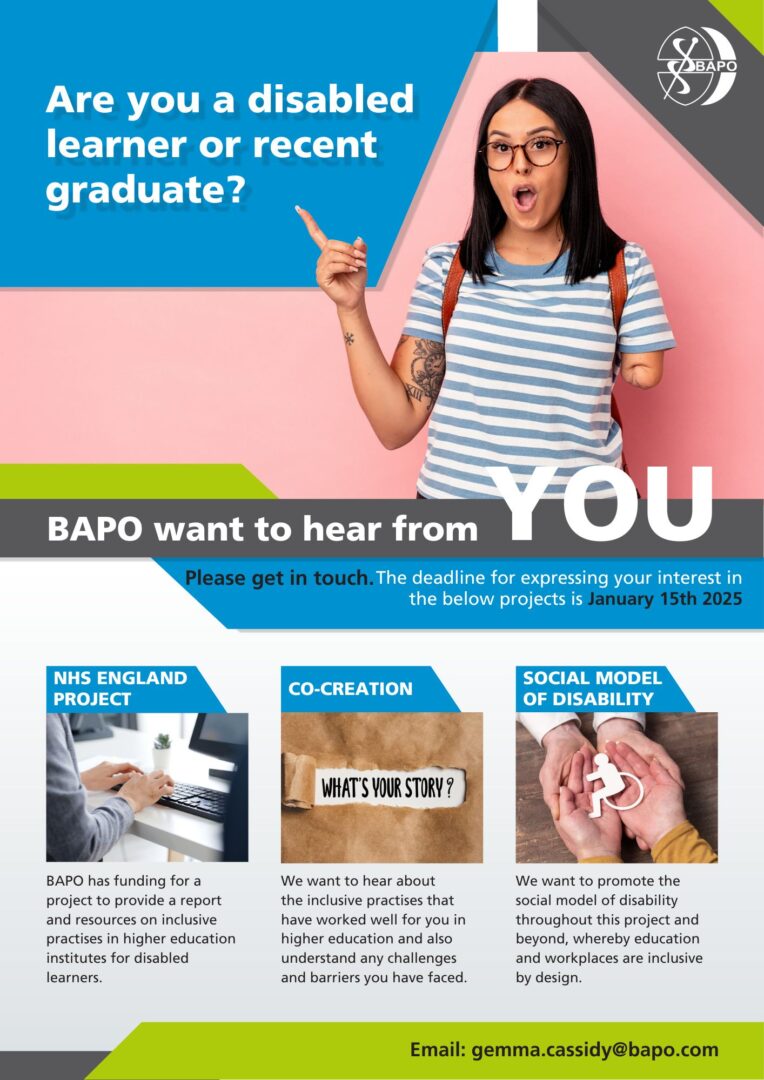
        Inclusive practice in higher education for Disabled Learners

        Disabled learners callout.pdfDownload

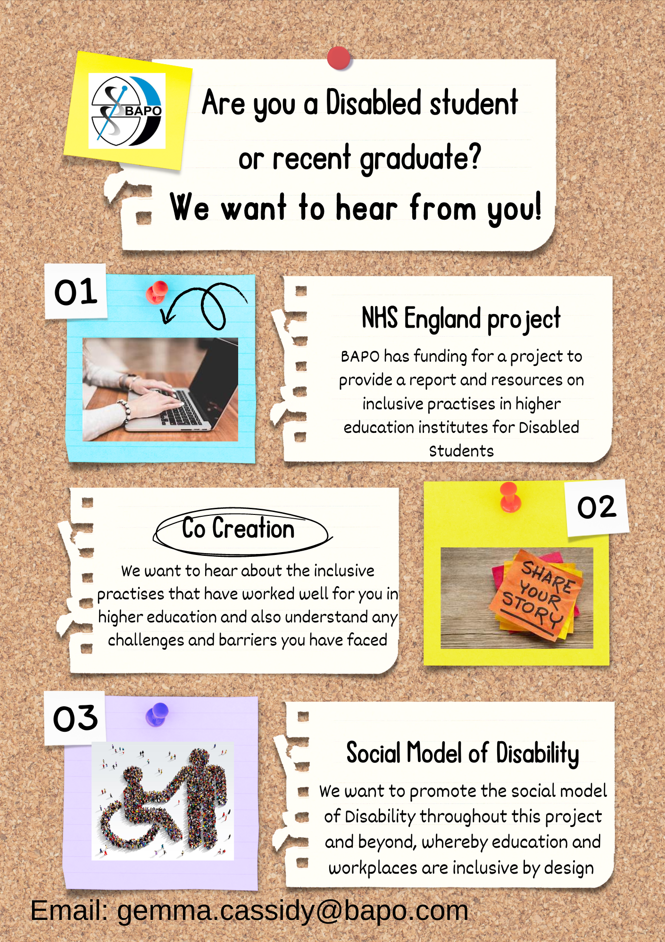
        This work has been commissioned by the British Association of Prosthetics and Orthotics (BAPO) with funding from NHS England Workforce, Training and Education (WTE) Directorate. This project will focus on inclusive practices in higher education for Disabled learners. As part of the project, we will engage with various stakeholders including educator providers and Disabled learners, to understand what inclusive practice currently looks like for Disabled learners in Prosthetic and Orthotic higher education. It is invaluable to understand the lived experiences of Disabled learners, and to open up the conversation about Disability and inclusive practice within Prosthetics and Orthotics. For more information please email gemma.cassidy@bapo.com

        Disabled learner listening sessions

        As part of the NHS England project that is researching inclusive design in higher education for Disabled learners, BAPO is running some listening sessions and wants to hear from students and graduates to understand the barriers and enablers in their higher education and placement experience. See the poster and link below for more details or email gemma.cassidy@bapo.com

        https://www.canva.com/design/DAGF_CMMLKA/NV1-vZ1UU8DTHBK8Zmt5XA/edit?utm_content=DAGF_CMMLKA&utm_campaign=designshare&utm_medium=link2&utm_source=sharebutton

        Reasonable adjustments in the workplace
        Reasonable adjustmentsDownload
        Reasonable adjustments on placement
        Reasonable adjustments infographic.pdfDownload
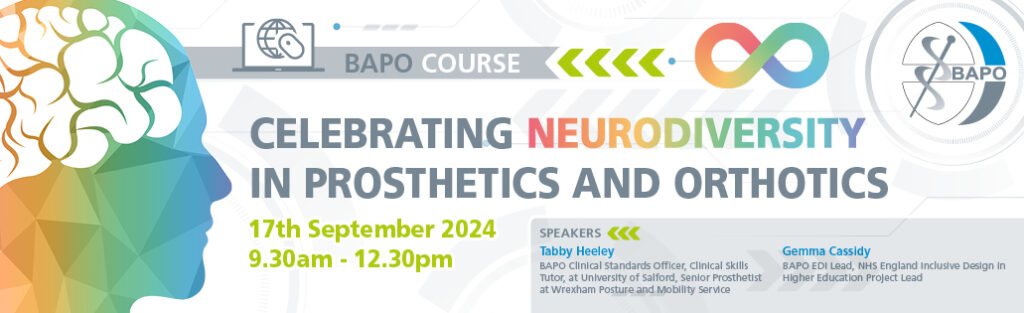
        Celebrating Neurodiversity in Prosthetics and Orthotics

        Around 15% of the population is estimated to have a neurodevelopmental difference, such as ADHD, dyslexia, or autism. This number tends to be significantly higher in industries that champion creativity and lateral thinking – such as P&O. 

        This virtual webinar offers an introduction to the topic of neurodiversity, from a neurodivergent perspective. It explores the most common neurodivergent conditions and seeks to explain why we think, feel, and act the way we do. It looks at practical, holistic ways to accommodate and work with neurodivergent traits – not just for neurodivergent patients, but for neurodivergent staff and other stakeholders too.

        This will be followed by a discussion on the NHS England project, what inclusive design looks like in higher education and how this can be applied in Prosthetic and Orthotic placement settings and the workplace to provide equity and inclusion for Disabled people. 

        This course will be useful for Placement Educators, Managers, Service Leads in P+O and the wider AHP community, Clinical staff, and anyone wanting to learn more about neurodiversity, inclusive design, and Disability in the workplace.

        Webinar 

        More information here – BAPO Course – Celebrating Neurodiversity in Prosthetics and Orthotics

        You can watch the webinar here or below.

        Filed Under: News

        2nd December 2024 by BAPO Admin

        Human Library

        Could you be a Prosthetist/Orthotist? Scroll through our Human Library below to see what career paths are available.

        Lauren McAllister – Former Development Manager at CPISRA (Now WorldAbility Sports)
        Lauren McAllisterDownload
        Donna Fisher – Head of Clinical Services at Ottobock, Prosthetist/Orthotist
        Donna FisherDownload
        Simon Dickinson – Consultant Orthotist & Clinical Director, TalarMade Ltd
        Simon Dickinson[49]Download
        Ian Talbot – Clinical Lead Prosthetist/Orthotist at Dorset Orthopaedic, Ottobock
        Ian TalbotDownload
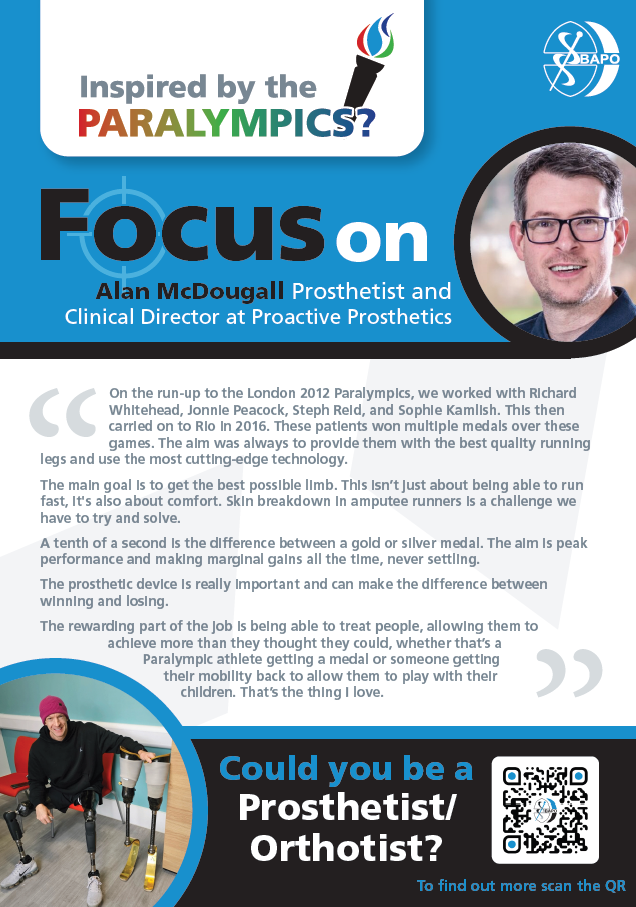
        Alan McDougall – Prosthetist and Clinical Director at Proactive Prosthetics
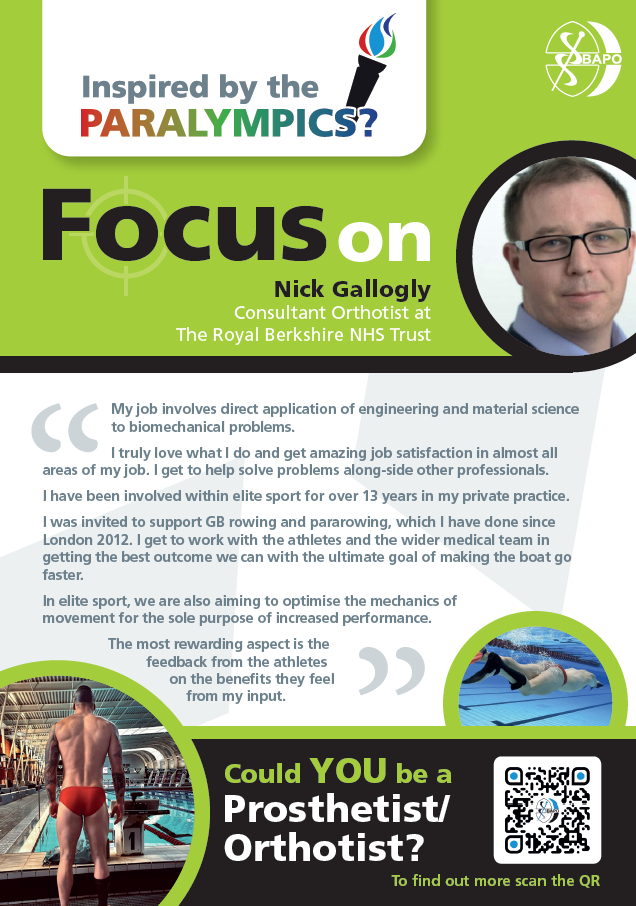
        Nick Gallogly – Consultant Orthotist at The Royal Berkshire NHS Trust
        Alice Dudley – Senior Orthotist
        Alice Dudley (2)Download
        Manuela Mundy – Prosthetic/Orthotic Apprentice
        Manuela MundyDownload
        Dr Nicky Eddison – Associate Professor of Orthotics, Consultant Orthotist, and Chair of BAPO
        Nicky EddisonDownload
        Gwen Roberts – Prosthetist
        Gwen RobertsDownload
        Chiazoka Ezeuzo – Orthotist
        Chiazoka EzeuzoDownload
        Alan McDougall – Prosthetist – Clinical Director at Proactive Prosthetics
        Alan McDougallDownload
        Donna Fisher – Prosthetist/Orthotist – Head of Clinical Services at Ottobock
        Donna FisherDownload
        Gemma McGinty – Teaching Fellow at the National Centre for Prosthetics and Orthotics, University of Strathclyde
        Gemma McGintyDownload
        Alana Stevenson – Teaching Fellow at the National Centre for Prosthetics and Orthotics, University of Strathclyde
        Alana StevensonDownload
        Christabelle Asoluka – Orthotist

        Hi, my name is Christabelle Asoluka, and I take immense pride in being a part of the prosthetic and orthotic community here in the UK. Reflecting on my journey into this profession, I’m struck by how far I’ve come in just a few short years. Having received my training in Nigeria, I’ve had the unique privilege of gaining first-hand experience as a prosthetist/orthotist on two continents.

        My commitment to this field has been driven by a genuine desire to enhance rehabilitative services for individuals grappling with various impairments, deformities, and mobility challenges.

        After graduating with my bachelor’s degree in 2018, my professional journey has taken me on a diverse and exciting path. This journey has encompassed roles in the commercial sector, exploration of cutting-edge technologies, dedicated research pursuits, leadership roles, and invaluable clinical experiences, all within prosthetics and orthotics. Over the past five years, I’ve crafted my unique career trajectory to show how many things one can do in the profession.

        As a newly qualified orthotist in the UK, I am currently in a graduate orthotist role. A big part of this experience has been the rare opportunity to shadow different orthotists.

        So what does a day in my life look like?

        Morning Commute and Clinic Preparation

        Orthotist’s Role and Patient Interaction

        The most rewarding aspect of being an orthotist is the opportunity to be integral to individuals’ journeys toward improved well-being. Many mistakenly confuse us with cobblers or podiatrists initially, but when patients comprehend the scope of our expertise and how we can positively impact their lives, their faces light up with hope and gratitude

        I genuinely enjoy engaging with our patients and learning about their life stories. My mentor, Kristina, is exceptionally skilled in this regard. Her profound understanding of our patients’ backgrounds creates a warm and welcoming atmosphere in her clinics.

        Orthotics is an intricate discipline that demands analytical thinking and rapid problem-solving abilities. Patient-centred care is at the core of our practice because an orthotic device serves no purpose if the patient does not embrace it. The profession is undeniably hands-on, and orthotists often acquire do-it-yourself skills to meet patients’ unique needs.

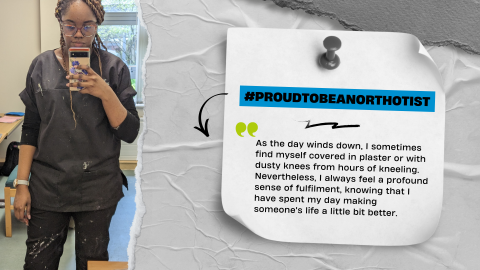
        As the day winds down, I sometimes find myself covered in plaster or with dusty knees from hours of kneeling. Nevertheless, I always feel a profound sense of fulfilment, knowing that I have spent my day making someone’s life a little bit better. While the path of an orthotist isn’t always smooth, and occasionally patients may not be as appreciative as we hope, more often than not, we are showered with gratitude and thanks for the positive impact we bring to their lives.

        In conclusion, the day-to-day life of a newly qualified orthotist is a diverse and rewarding experience. We bridge continents, cultures, and individual stories in our quest to improve the lives of those who rely on our expertise and care.

         As we celebrate P&O Day this year, I want to take this opportunity to applaud all newly qualified prosthetists and orthotists for their hard work and dedication. I also want to express gratitude to the seasoned practitioners who have dedicated decades of their lives to this noble profession. Your commitment has paved the way for us to follow, and for that, we say thank you.

        Once again, I cannot emphasize enough how deeply proud I am to be an orthotist.

        Jourja Pattrik – Junior Orthotist

        My name is Jourja Pattrik, I am a Junior Orthotist at the Royal Berks in Reading. I graduated in 2022 and have been in the job a year this month.

        Every morning starts the same; I get into the office for 7am and have a brief meeting (and a cup of tea) before our first patients at 7:30. Our department provides NHS Orthotic services to patients within the Reading and wider Berkshire area. An Orthotic patient could be seeing us from a child growing into an adult or for a brief time such as an inpatient on a ward. Below is an example of what my day entails as a graduate Orthotist.

        7:30– I start my first appointment, today it was a new FFO for a lady with metatarsalgia. She tells me today she has had ongoing issues with her feet for the last 10 years and feels she is always walking on pebbles. She was able to explain her symptoms in detail and her referral included all the relevant information to help me in the appointment.
        We discussed her footwear and agreed to trial a modular FFO with a met dome to allow for some offloading to her metatarsals and reducing the pain. She was able to trial these today in our appointment, found immediate relief, and was very happy. We agreed to review in a few months and ensure still getting on with them.

        8:00– I then have a review of an AFO for a lovely girl who was an inpatient on one of the wards. She has complex neurological conditions and due to being in a wheelchair all day is at risk of contractures. Her mum tells me today she is back home and doing well. The AFOs are still fitting well and we checked them over today. Mum tells me they are having trouble keeping her feet inside the AFO as she does not wear shoes in her wheelchair and so is able to wriggle her toes over the edges. We trialled today adding a toe strap which is able to keep the toes in place whilst she was wearing and mum was very happy. We gave a few extra straps just in case they were lost and agreed to review her with growth. 

        8:30– My next patient was a new FFO for a little boy with pain in his feet. He tells me is has pain in the bottom of his feet along the middle. He was able to tell me he has pain when he first walks up and sometimes after football. He tells me he also plays basketball outside of school for fun but sometimes this hurts. I was able to complete a full assessment and explain to him and his dad the presentation of his feet. We agreed to trial a pair of stock FFOs with the aim of reducing the stress/ strain on his soft tissues. I advised dad having feet that roll in a little is normal but pain and instability are not. Dad was aware and happy with this and we agreed to review with growth.

        9:00– I had a new knee brace today for a man with medial osteoarthritis affecting his right knee who has been seen by orthopaedics but is not suitable for surgery. This is due to his age. He reports he is still quite young and active and so hoping to reduce his pain and stay active at the gym. He tells me he has a lot of pain in his R knee, especially at the end of the day or after the gym. We did a full assessment today and checked his ROM and laxity levels. I took some measures today and will order 2 different knee braces for his fitting appointment to ensure he finds a brace which is not only helpful and reduces pain but which he will be compliant in wearing.

        9:30– I had another new FFO for a lady with previous Tibialis Posterior surgery 15+ years ago and arthritis in her L knee. She tells me today she has a lot of pain in her L medial side of her knee and pain in her medial side of the foot. She tells me in the last 6 months she has had to be less active due to the pain. Her daughter tells me she is also complaining of pain more in her feet and the knee even when just doing jobs around the house. Today she was wearing very flexible flat shoes with no fastenings, which she tells me she wears all the time or her slippers at home. I did a full assessment today of her foot and ankle and she presented with a pes planus foot type on the L with rearfoot valgus and difficulty on single leg heel rise on L. She was painful on inversion when checking ankle ROM and tender along tib post tendon tracking. We discussed today her presentation and agreed to trial a pair of insoles but also advised her on her footwear. I advised the footwear is very unsupportive and therefore an FFO needs to be in a supportive shoe and provided a footwear leaflet with the information on shoes and shoe companies who make good supportive shoes. We agreed to look at these shoes in the fitting to ensure she was happy with them and could still get them on and off herself.

        10:00-My final patient of the morning was a review of a shoulder brace/new AFO. This patient I have seen before but he is now having some more intense therapy and he is able to stand now with some assistance and take a few steps forward. He is a complex patient due to his brain haemorrhage leaving him with severe weakness. After taking a full assessment of his lower limbs, I advised the patients I would like to speak to one of my colleagues before making a full decision. The patient was happy with this and so I popped out to see if one of my colleagues was free. Lucking, the clinical lead and consultant orthotist had a few moments. I was able to fully describe the patient and my proposed plan, he was then able to pop into the room and see the patient and confirm the proposed plan may be possible but we would make a few changes. We discussed with the patient who was happy with this approach and so we took a cast for his left leg and wrote a prescription for the AFO together. I will then fit this when it is back in.

        11:00-I then had 4 fits of FFOs, these were for different custom orthotics which needed to be fitted and the patients were advised on breaking in and next steps. I was able to see them in quick succession that made my final appointments run very smoothly.

        Then I had my lunch with my colleagues and looked at the inbox for any ward referrals. There were 2 new wards which needed to be seen urgent. My colleague saw a gentleman on the stroke ward for foot drop and due to his presentation prescribed a PLS AFO to trial and review once an outpatient. I saw a lady on the Orthopaedic ward for a complex spinal injury. She had multiple rib fractures, stable fractures to her spine but also an unstable T11 fracture. With the help of the team, she was able to be log rolled for me to but a TLSO brace in situ. She found this to be manageable to her spinal injuries and I agreed I would pop back up at the end of the week to check she was still getting on.

        1:30-My first afternoon patient was another 2 fittings of FFOs from previous appointments. I was again able to fit them to the patient’s shoes and advice on breaking in and the next steps. We were also able to provide or guidelines for FFOs leaflet with the information in writing.

        2:00-Finally, I saw my last patient of the day which was a new helmet. He was a 14 month old with a history of seizures, he was seen with his mum. This was my first helmet appointment without shadowing but I was able to take a full assessment and we agreed to trial a stock helmet first to see if he could tolerate this. I took measures for this and we agreed to book a fitting and a review to see how getting on after the fitting. Mum was very happy with this plan.

        Wrapping up

        After seeing all my patients I then have some time to catch up on my admin tasks. Finally, I gave the workshop and plaster room a quick tidy before heading home.

        Stacey Care – Senior Prosthetist

        Each day varies for a prosthetist. You don’t always know what is coming through the door.

        My day starts at 08.00 and ends at 18:00– I’m lucky to be able to work a condensed hours week – meaning I work 4 days a week (and get a 3-day weekend).

        Today I came in a little early, knowing I had a patient booked for 08.00. I turned the computer on and checked what was in store for the day.

        08.00 came and I collected my patient from reception and introduced myself – being relatively new to the department, many of the patients I see do not know me yet and its important to ensure they know who you are, and that you begin to build the patient/clinician relationship well from the start.


        We walked around to the clinic room and the assessment commenced. The patient was having noises coming from his leg, and the socket was rubbing on his knee. I checked the residual limb and identified the area causing the rub, then took the prosthesis to workshop for the technician to check the limb over and repair anything that may be causing the noise. I adjusted the socket to reduce the pressure and then returned the prosthesis to the patient to trial. The team had done their job – the prosthesis was no longer making noises as the patient walked, and the socket was much more comfortable – a 10/10 from the patient.

        Next in was a patient for casting – a new socket was needed for their arm as they had lost some weight and therefore the socket was no longer fitting well. A cast using plaster of Paris was taken to replicate their residual limb and measurements of their arm were also taken so the team can make their arm the correct shape and length. Some cleaning was needed at the end of the appointment, as plaster of Paris can be quite messy!

        A brief interlude to start writing up some clinical notes and orders came next and a chance to have quick drink of water. A tap at the office door paused this as a physiotherapy colleague needed some assistance and as all AHPs aim to do, I went to help. My colleague filled me in as we walked to the gym – the patient had recently got their first limb, and having developed their walking, was beginning to struggle a little with the prosthesis set up – they were catching their toes when walking. We assessed all possible causes – was the socket too big, or too small, was the prosthesis too long, was the foot angled correctly and had the patient changed shoes? Once lots of questions had been asked and assessments completed, we found that the patient had decreased in volume of their stump, which is common in primary/new amputees. We checked the fit using stump socks and after adjustments, the patient was walking much better again, and no longer catching their toes.

        Another colleague and I stopped for lunch at the same time today, and decided to sit outside for some fresh air and a chat whilst we ate. Its always helpful to be able to take a few minutes to chat through some situations, get some sun and generally check up on others to make sure they are ok through the day.

        The afternoon started with a department meeting. We had some product/component demonstrations and discussions over challenging cases. Working closely with the MDT and other prosthetists helps spread learning and ensure a holistic view of cases are taken and all clinical staff are aware of any plans.

        Once the meeting finished it was back to the computer to finish notes, orders and arranging some appointments whilst I waited for the last patient of the day. Unfortunately, they did not attend the appointment, and they didn’t call to let us know. The team rebooked the patient for a few weeks’ time and a letter will be sent in the post to confirm this appointment in the hope they will attend.

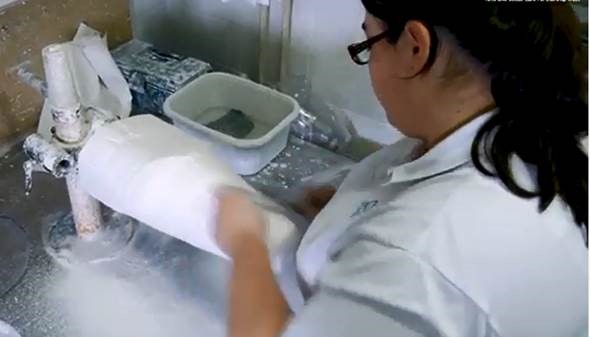
        I find completing my admin and tying up loose ends before moving on to my plaster work allows me to focus better on the rectification needed. Following the admin, I went to the rectification room to work on the cast I took in the morning. The cast was filled with plaster and the outer shell removed so I had a copy of the residual limb that I could adjust and smooth to ensure a good fit. Details for manufacture were documented on the cast and passed through to the workshop for manufacture.

        I finished my day by cleaning down my work bench and rectification area, then replying to a couple of emails before logging off and heading home.

        Today was a good balance of both patient facing and MDT working. Some days can be more patient facing, others could be more meetings and courses, but every day is a learning experience and provides many opportunities to help others needing our expertise.

        Every day I make a difference to those who come for appointments, be that stopping their limb making a noise so they can walk along the corridor without people looking at them curiously, reducing discomfort to make walking more comfortable or solving problems to make life and every day living easier for the patients in our care.

        I get the chance to solve problems, work alongside a great team, get messy and creative with hands on skills, see new and innovative products and above all, have a positive impact on peoples lives.

        I find completing my admin and tying up loose ends before moving on to my plaster work allows me to focus better on the rectification needed. Following the admin, I went to the rectification room to work on the cast I took in the morning. The cast was filled with plaster and the outer shell removed so I had a copy of the residual limb that I could adjust and smooth to ensure a good fit. Details for manufacture were documented on the cast and passed through to the workshop for manufacture.

        I finished my day by cleaning down my work bench and rectification area, then replying to a couple of emails before logging off and heading home.

        Today was a good balance of both patient facing and MDT working. Some days can be more patient facing, others could be more meetings and courses, but every day is a learning experience and provides many opportunities to help others needing our expertise.

        Every day I make a difference to those who come for appointments, be that stopping their limb making a noise so they can walk along the corridor without people looking at them curiously, reducing discomfort to make walking more comfortable or solving problems to make life and every day living easier for the patients in our care.

        I get the chance to solve problems, work alongside a great team, get messy and creative with hands on skills, see new and innovative products and above all, have a positive impact on peoples lives

        Jonathan Wright MBE MBAPO -Orthotist

        Jonathan Wright MBE MBAPO
        Orthotist

        The global twists and turns of a career road less travelled

        As with any career, it’s what you make of it.  And so far, over the past (nearly!) 40 years, I have used my knowledge and skills as an Orthotist to work in over 10 different countries, with most of my experience gained in war zones.  And this is the  story that I would like to share with you now.  For my career at a glance, I’ve also summarised some of my roles at the end of this story.
         
        It wasn’t a smooth start. Moving countries when you are young has mixed blessings, as does returning to your own country when the time comes. Travel is a great educator, but education and qualifications don’t always travel well. This was overmuch the case with me.
         
        I decided to return to England at 19 years of age, education in tatters, £25 in my pocket, one change of clothes in a small suitcase, guitar on my back and homeless (my parents having decided to remain in Africa ). Not a good position to be in.
         
        Things rapidly worsened. Whilst attending an interview at a college on the South Coast to register for GCSEs, I was informed that due to my tax status and having been residing out of England for some years, I was classed as an “overseas student”. I would need to pay a couple of thousand pounds to study. Clearly, this was not an option and after a few hours in a local pub, building up the courage to go back to the college to further plead my case, I was still told that, the only other way to get in without charge was to work for three years, to pay tax and National Insurance and then re-apply. This I did.
         
        During that time the challenge of finding work was only equalled by the inherent problem of where to live. The latter on occasion coming with the former, but in the main if fortunate, staying in charity hostels such as “Centre Point” in London and if not, fields or bus stations had to suffice.
                                                                                
        Fast forward three years, it is now 1982. Having satisfied the system, attaining a few foundational and recognisable qualifications, I was successful in the job market and was employed by an Orthotics company as a Trainee Orthotist. They later went on to sponsor me on the P&O course in Paddington which, at the time, was the first of the new courses in England.
         
        To say I struggled with this learning process was an understatement. But we were housed in hotels near the college and living and working with class mates was a truly memorable experience, resulting in several life-long friendships.
         
        Once we qualified and went our separate ways, it was “teeth-cutting” time! I started my career in London, working in many of the inner city hospitals, gaining valuable experience in Orthotics.
         
        After taking a senior post in Cornwall, employed by the County Council who ran the Orthotics service, which was somewhat unusual, I applied for my first job overseas.
        I was fortunate enough to secure a post in a Non-Government Organisation (NGO), run by Sandy Gall, having been interviewed by the “grandfather of Orthotics”, Bill Tuck. In addition to a clinical role, I was also tasked with developing a training programme and establishing an orthotics clinic in Afghanistan. Working in such an environment is difficult to describe, there are so many extra duties and factors influencing daily routine, from language and cultural challenges to security issues and international matters concerning personal and professional arrangements.
        Much of this cannot be learned from a text book!
         
        The “University of trial and error” is the best way I can describe this learning curve.
        One of the most important skills needed was the ability to communicate and negotiate with other colleagues, organisations and the military. Information and networking are essential skills needed when establishing a successful project.
         
        Constraints often occur in such fluid situations, so you have to constantly keep your “ear to the ground”. The hard work paid off.  By 1989, the clinic was successfully established in North East Afghanistan and in the same year, the training programme was judged as the best of its kind by the World Health Organisation. 
         
        Moving on to Sri Lanka, I undertook two country-wide surveys in the civil war there on behalf of another NGO, with a view to starting a P&O school. This involved negotiating with the various factions at government level and with representatives of the Liberation Tigers of Tamil Eelam. Working within the country during a time of  conflict was quite different from my previous job, as it involved negotiating with both civilians and the military, collating very sensitive information in order to establish a meaningful overview of the need for P&O in the short and long-term. I became versed in the intricacies of landmine construction, placement and impact.
         
        Extending my interest in working within conflict zones, my career took me to Cambodia, Mozambique and finally Bosnia, undertaking clinics, presenting papers on P&O, promoting new Prosthetic limb systems, developing project proposals, monitoring and evaluating projects and writing impact studies.
         
        I became involved in the rehabilitation of service veterans and worked closely with BLESMA (the limbless veterans) charity, BCEL (British Commonwealth Ex-Service Men’s League), CAFOD (Catholic Agency for Overseas Development) and various other organisations.
         
        My career has also lead me to work in Germany, Switzerland and New Zealand gaining an invaluable insight into P&O on an international scale, but this was interspersed with undertaking a great number of NHS clinics throughout the UK.
         
        My clinical time has been enhanced with involvement in our professional organisations, i.e. BAPO and HCPC (Health and Care Professions Council), various National NHS Reports, such as “Darzi” and “Carter”, undertaking reviews on NHS Hospital departments and assisting commercial companies in contracting and technical training.
         
        More recently, I have become a P&O “trailblazer”, constructing a pre-course for newly employed students prior to the inception of the programme proper, and I have also mentored students on several occasions over the years.
         
        Over the course of my long career, I have been awarded the M.B.E for my services to disabled people and associated work internationally, the Bader Prize for commitment in my work treating war veterans and various travel sponsorships.  My work has been noted in World Health Organisation reports and I have presented many papers on the treatment of refugees and war casualties both at international military and civilian conferences.  I have worked in clinical, leadership, research and education roles including project development, training, monitoring and evaluation, and undertaking impact studies and logistical analyses in conflict zones.
         
        I hope that my story shows that within our profession you can follow your own pathway. I hope I have served it well by elevating it both internationally and nationally.
         
        In conclusion, I would like to return to the beginning of my story and thank my old guitar, which once sold, contributed funds to my decision-making pub session all those years ago, providing me with enough “Dutch Courage” to gain the all-important, albeit daunting information necessary to embark on my pathway of studies and subsequently my career in Prosthetics and Orthotics.
         
        Some of my roles within my career:

        Trainee Orthotist
        Orthotist in NHS and Local Authority services
        Team leader (establishing new P&O clinic in Afghanistan)
        Lead Clinical trainer (developing WHO recognised P&O course in Pakistan)
        Lead Author (including for two major surveys to establish a P&O school in Sri Lanka)
        Freelance Orthotist and Writer (writing project reviews for P&O projects in Cambodia)
        Lead presenter and project reviewer (for P&O in Mozambique and in Bosnia)
        Lead P&O professional co-directing “limbs for Bosnia” in conjunction with BLESMA ((the limbless veterans charity)
         
          Catherine Hendy – Catherine Hendy – Orthotics Technician now on Level 6 apprenticeship
          Catherine Hendy – Orthotics Technician now on Level 6 apprenticeship

          Visit our Human Library for Support workers and Technicians below:

          Support Worker and Technicians

          Filed Under: News

          20th September 2024 by BAPO Admin

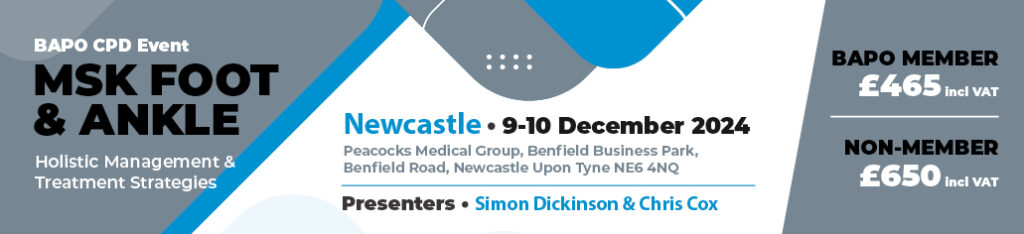
          BAPO Short Course – MSK Foot & Ankle: Holistic Management & Treatment Strategies – Newcastle Upon Tyne 9-10 December 2024

          Course description: 

          This 2 day face-to-face short course offers participants an opportunity to learn about the orthotic management of musculoskeletal (MSK) disorders of the foot and ankle in a group setting (maximum 20 participants). The experienced faculty of Orthotists will share their knowledge and skills in both theory and practical sessions.  
           
          Prior to the commencement of the course, registrants will be asked to read four designated full text journal articles.  
          During the course, participants will attend taught theoretical sessions mixed with active learning which will involve dividing into smaller groups to interpret x-rays and assess each other’s feet and ankles with feedback and guidance from the faculty team.  
           
          The course offers participants an intimate, focused, and friendly learning environment away from the bustle of everyday clinical work to refresh their knowledge with best available evidence and equip them with the skills to enable them to build their confidence and MSK practice.  

           Aims: 
          This event aims to equip Orthotists and other AHP’s regularly involved in treating adult MSK foot and ankle conditions with the assessment, diagnostic and image interpretation skills to enable them to differentially diagnose and holistically manage Musculoskeletal foot and ankle conditions. 

           Faculty: 
          Simon Dickinson, Clinical Director & Consultant Orthotist, TalarMade Ltd 
          Chris Cox, Teaching Fellow, National Centre for Prosthetics & Orthotics, University of Strathclyde 

          Learning Outcomes: 
          By the end of this event the participant will be able to: 

          • Describe normal Foot and Ankle function 
          • Describe a range of MSK Foot and Ankle pathologies 
          • Define the tests required for differential diagnosis of a range of Musculoskeletal Foot and Ankle pathologies 
          • Demonstrate competence in interpreting the outcomes of a range of diagnostic tests 
          • Utilise imaging as part of the MSK patient assessment 
          • Demonstrate the ability to differentially diagnose a range of Musculoskeletal Foot and Ankle conditions 
          • Perform a thorough biomechanical examination to determine the biomechanical deficit 
          • Establish an evidence-based holistic treatment plan to address the presenting issue 
          • Generate a detailed evidence-based orthotic prescription, management plan including anticipated outcome 

          Intended Participants: 

          • Orthotists who have not previously attended the “Assessment, Diagnosis and Treatment of Musculoskeletal Foot and Ankle Problems for Orthotists” course 
          • AHP’s regularly involved in treating adult MSK foot and ankle conditions  

          and  

          • Orthotists who attended the “Assessment, Diagnosis and Treatment of Musculoskeletal Foot and Ankle Problems for Orthotists” between 2015 – 2016 

           Please note this course is not available to Students. 

          Venue: The neon Building, Quorum Business Park, Newcastle upon Tyne, NE12 8BU.

          Date & Time: 
          Monday 9 and Tuesday 10 December 2024
          Registration 8:30-9:00am on day 1.
          Start 9:00am, finish 5:00pm on both days.
          2 day course ticket includes lunch and refreshments

          We encourage Orthotist attendees to apply for reimbursement from the Orthotic Education and Training Trust.  

          Applications can be made on the OETT website at www.oett.org.uk 
          Requests for reimbursement must include evidence of reflective learning/CPD. 

          To purchase tickets: please log on to your BAPOnline account and click the MSK poster it will direct you to the ticketing area.

          Not a member? Follow the link below and select “Non-Member Events Registration”, once registered it will allow you to purchase the ticket. If you have any issues, please contact enquires@bapo.com 

          Purchase Ticket Here!

          Filed Under: Education, News

          17th September 2024 by BAPO Admin

          MSK Foot & Ankle: Holistic Management & Treatment Strategies – Newcastle Upon Tyne 9-10 December 2024

          Course description:  This 2 day face-to-face short course offers participants an opportunity to learn about the orthotic management of musculoskeletal (MSK) disorders of the foot and ankle in a group setting (maximum 20 participants). The experienced faculty of Orthotists will share their knowledge and skills in both theory and practical sessions. Prior to the commencement of the course, registrants will be asked to read four designated full text journal articles.  During the course, participants will attend taught theoretical sessions mixed with active learning which will involve dividing into smaller groups to interpret x-rays and assess each other’s feet and ankles with feedback and guidance from the faculty team.  The course offers participants an intimate, focused, and friendly learning environment away from the bustle of everyday clinical work to refresh their knowledge with best available evidence and equip them with the skills to enable them to build their confidence and MSK practice.    Aims: This event aims to equip Orthotists and other AHP’s regularly involved in treating adult MSK foot and ankle conditions with the assessment, diagnostic and image interpretation skills to enable them to differentially diagnose and holistically manage Musculoskeletal foot and ankle conditions.   Faculty: Simon Dickinson, Clinical Director & Consultant Orthotist, TalarMade Ltd Chris Cox, Teaching Fellow, National Centre for Prosthetics & Orthotics, University of Strathclyde  Learning Outcomes: By the end of this event the participant will be able to: 

          • Describe normal Foot and Ankle function 
          • Describe a range of MSK Foot and Ankle pathologies 
          • Define the tests required for differential diagnosis of a range of Musculoskeletal Foot and Ankle pathologies 
          • Demonstrate competence in interpreting the outcomes of a range of diagnostic tests 
          • Utilise imaging as part of the MSK patient assessment 
          • Demonstrate the ability to differentially diagnose a range of Musculoskeletal Foot and Ankle conditions 
          • Perform a thorough biomechanical examination to determine the biomechanical deficit 
          • Establish an evidence-based holistic treatment plan to address the presenting issue 
          • Generate a detailed evidence-based orthotic prescription, management plan including anticipated outcome 

          Intended Participants: 

          • Orthotists who have not previously attended the “Assessment, Diagnosis and Treatment of Musculoskeletal Foot and Ankle Problems for Orthotists” course 
          • AHP’s regularly involved in treating adult MSK foot and ankle conditions  

          and  

          • Orthotists who attended the “Assessment, Diagnosis and Treatment of Musculoskeletal Foot and Ankle Problems for Orthotists” between 2015 – 2016 

          Please note this course is not available to Students.  Venue:  Peacocks Medical Group, Benfield Business Park, Benfield Road, Newcastle Upon Tyne, NE6 4NQ. https://www.peacocks.net/ Date & Time: Monday 9 and Tuesday 10 December 2024 Registration 8:30-9:00am on day 1. Start 9:00am, finish 5:00pm on both days. 2 day course ticket includes lunch and refreshments We encourage Orthotist attendees to apply for reimbursement from the Orthotic Education and Training Trust.   Applications can be made on the OETT website at www.oett.org.uk Requests for reimbursement must include evidence of reflective learning/CPD.  To purchase tickets: please log on to your BAPOnline account and click the MSK poster it will direct you to the ticketing area. Not a member? Follow the link below and select “Non-Member Events Registration”, once registered it will allow you to purchase the ticket. If you have any issues, please contact enquires@bapo.com

          17th September 2024 by BAPO Admin

          MSK Foot & Ankle: Holistic Management & Treatment Strategies – Chesterfield 7-8 October 2024

          Course description: 

          This 2 day face-to-face short course offers participants an opportunity to learn about the orthotic management of musculoskeletal (MSK) disorders of the foot and ankle in a group setting (maximum 18 participants). The experienced faculty of Orthotists will share their knowledge and skills in both theory and practical sessions. 

          Prior to the commencement of the course, registrants will be asked to read four designated full text journal articles. 
          During the course, participants will attend taught theoretical sessions mixed with active learning which will involve dividing into smaller groups to interpret x-rays and assess each other’s feet and ankles with feedback and guidance from the faculty team. 

          The course offers participants an intimate, focused, and friendly learning environment away from the bustle of everyday clinical work to refresh their knowledge with best available evidence and equip them with the skills to enable them to build their confidence and MSK practice.  

           Aims:
          This event aims to equip Orthotists and other AHP’s regularly involved in treating adult MSK foot and ankle conditions with the assessment, diagnostic and image interpretation skills to enable them to differentially diagnose and holistically manage Musculoskeletal foot and ankle conditions. 

           Faculty:
          Simon Dickinson, Clinical Director & Consultant Orthotist, TalarMade Ltd
          Chris Cox, Teaching Fellow, National Centre for Prosthetics & Orthotics, University of Strathclyde 

          Learning Outcomes:
          By the end of this event the participant will be able to: 

          • Describe normal Foot and Ankle function 
          • Describe a range of MSK Foot and Ankle pathologies 
          • Define the tests required for differential diagnosis of a range of Musculoskeletal Foot and Ankle pathologies 
          • Demonstrate competence in interpreting the outcomes of a range of diagnostic tests 
          • Utilise imaging as part of the MSK patient assessment 
          • Demonstrate the ability to differentially diagnose a range of Musculoskeletal Foot and Ankle conditions 
          • Perform a thorough biomechanical examination to determine the biomechanical deficit 
          • Establish an evidence-based holistic treatment plan to address the presenting issue 
          • Generate a detailed evidence-based orthotic prescription, management plan including anticipated outcome 

          Intended Participants: 

          • Orthotists who have not previously attended the “Assessment, Diagnosis and Treatment of Musculoskeletal Foot and Ankle Problems for Orthotists” course 
          • AHP’s regularly involved in treating adult MSK foot and ankle conditions  

          and  

          • Orthotists who attended the “Assessment, Diagnosis and Treatment of Musculoskeletal Foot and Ankle Problems for Orthotists” between 2015 – 2016 

          Please note this course is not available to Students. 

          Venue:
          TalarMade Ltd, Edinburgh House, Millenium Way, Chesterfield, S41 8ND.  https://talarmade.com/
          Parking – there is a large car park around the back left of the building. It is free for attendees to use.  
          Please don’t park at the front of the building. 

          Date & Time:
          Monday 7 and Tuesday 8 October 2024
          Registration 8:30-9:00am on day 1.
          Start 9:00am, finish 5:00pm on both days.
          2 day course ticket includes lunch and refreshments

          We encourage Orthotist attendees to apply for reimbursement from the Orthotic Education and Training Trust.  

          Applications can be made on the OETT website at www.oett.org.uk
          Requests for reimbursement must include evidence of reflective learning/CPD. 

          To purchase tickets: please log on to your BAPOnline account and click the KAFO poster it will direct you to the ticketing area.

          Not a member? Follow the link below and select “Non-Member Events Registration”, once registered it will allow you to purchase the ticket. If you have any issues, please contact enquires@bapo.com

          Research Resources

          Supporting Research, Innovation, and Career Development in Prosthetics and Orthotics

          The British Association of Prosthetists and Orthotists (BAPO) is committed to fostering a culture of research and evidence-based practice across the profession. Whether you’re a learner, a clinician with an interest in academic work, or an established researcher, BAPO offers a range of tools, support pathways, and guidance to help you succeed in your research journey.

          BAPO Research Support

          The BAPO Research Committee has developed a formal policy for studies seeking support or endorsement from the Association. This applies to projects of all scales—from undergraduate dissertations to national clinical trials.

          🔗 Download the BAPO Research Support Policy
          📧 To request an application form: enquiries@bapo.com

          Finding Research Mentors or Collaborators

          If you’re seeking a research mentor or looking to collaborate with a prosthetist or orthotist, BAPO can assist. We can help connect our BAPO members with HCPC-registered professionals whose research interests align with your projects.

          More information about mentoring here

          For collaboration, please contact enquiries@bapo.com 

          Case Studies: Real Research Pathways

          Explore the inspiring journeys of professionals developing research skills and leading academic initiatives:

          – Eileen Morrow – Doctoral Clinical Academic Fellow, University of Oxford
          – Francesca Muratore – Orthotist, NHS Forth Valley
          – Gwen Roberts – Specialist Prosthetist, NHS Cardiff and Vale
          – Laura Barr – Advanced Orthotic Practitioner & NRS Career Research Fellow, NHS Glasgow and Clyde
          – Dr Nicky Eddison – Associate Professor, University of Staffordshire
          – Tanja Scherrer – Principal Orthotist, Aneurin Bevan University Health Board

          Developing a Research Question

          Align your research with current priorities by consulting evidence gaps identified by:

          – 🔗 The James Lind Alliance (JLA)
          – 🔗 NIHR Leeds Biomedical Research Centre
          – Engage with local PPIE groups or national initiatives like Generation R

          Outcome Measurement Tools

          BAPO has developed a resource titled *Measuring Change* to support professionals in identifying and applying appropriate outcome measures.

          – 🔗 Access BAPO’s Measuring Change booklet
          – 📺 Tea-Time Talk: *An Introduction to Outcome Measures* – in Members Area
          – 🎓 Symposium: *Outcome Measures in Lower Limb Orthotics* – via Events section

          Sharing your work

           Disseminating your research is a vital step in contributing to the profession’s growth. From early research skills to peer-reviewed publications.

          – Conferences – 🔗 BAPO guide: A Guide for preparing and presenting posters
          – Journals – Start with audits or QI projects
          – BAPOConnect – Submit articles or case reports
          – Public Engagement – Blogs, events, and patient forums

          Research Training and Career Pathways

          Explore opportunities to build your research skills:

          – 🔗 Elsevier Research Academy
          – CAHPR Local Hubs – Free workshops and events
          – BAPO Research Hub
          – 🔗 Royal College of Nursing postgraduate research programmes
          – 📺 Watch: *Research Funding – First Steps to Post-Doctorate* by Eileen Morrow (Members Area)

          Research Funding Opportunities

          BAPO helps members identify and apply for relevant funding opportunities:

          **UK Government and Regional Funding:**
          – 🔗 NIHR (England)
          – 🔗 HSC Public Health Agency (NI)
          – 🔗 Chief Scientist Office (Scotland)
          – 🔗 Health and Care Research (Wales)

          **UK Research Councils:**
          – 🔗 Medical Research Council
          – 🔗 Economic and Social Research Council
          – 🔗 Science and Technology Facilities Council

          **Charitable and Independent Sources:**
          – 🔗 Association of Medical Research Charities
          – 🔗 Wellcome Trust
          – 🔗 Orthotic Education and Training Trust (OETT)

          📧 For advice on funding applications: enquiries@bapo.com

          BAPO Research Committee Resources

          – 🔗 BAPO Research Support Policy
          – 🔗 BAPO Research Committee Terms of Reference

          Join the BAPO Research Committee

          BAPO welcomes new members to the Research Committee. No prior experience is necessary—just enthusiasm and a desire to contribute.

          📧 To express interest or request an application form: enquiries@bapo.com

          • « Go to Previous Page
          • Page 1
          • Interim pages omitted …
          • Page 6
          • Page 7
          • Page 8
          • Page 9
          • Page 10
          • Interim pages omitted …
          • Page 15
          • Go to Next Page »

          Footer

          Search

          • Facebook
          • LinkedIn
          • Instagram

          Recent Posts

          • NEW REPORT: The Investment Case for Prosthetics and Orthotics in the UK
          • Connected Care – Burnout and work recovery
          • Job Advert – The Royal Wolverhampton NHS Trust – Orthotic Support Practitioner Band 3
          • Common health conditions that can require orthotic/prosthetic intervention
          • The P&O Research Brief Podcast

          BAPO

          The British Association of Prosthetics and Orthotics (BAPO) was established to encourage high standards of prosthetic and orthotic practice. It is committed to Continued Professional Development and education to enhance standards of prosthetic and orthotic care.

          BAPO Ltd. is a fully owned subsidiary of the Association, company number SC270569

          Terms and Conditions

          Data Protection and Privacy Policy

          Cookie Policy

          BAPO Secretariat

          British Association of Prosthetics and Orthotics (BAPO)
          Clyde Offices
          2nd Floor
          48 West George Street
          Glasgow
          G2 1BP

          Tel: 0141 561 7217
          Email: enquiries@bapo.com

          Opening Hours:
          Mon – Thurs: 9:00am – 4:00pm
          Fri: 9:00am – 12 midday

          Copyright © 2026 · The British Association of Prosthetics and Orthotics

          This website uses cookies to improve your experience. We'll assume you're ok with this, but you can opt-out if you wish.Accept Read More
          Cookies Policy

          Privacy Overview

          This website uses cookies to improve your experience while you navigate through the website. Out of these, the cookies that are categorized as necessary are stored on your browser as they are essential for the working of basic functionalities of the website. We also use third-party cookies that help us analyze and understand how you use this website. These cookies will be stored in your browser only with your consent. You also have the option to opt-out of these cookies. But opting out of some of these cookies may affect your browsing experience.
          Necessary
          Always Enabled
          Necessary cookies are absolutely essential for the website to function properly. This category only includes cookies that ensures basic functionalities and security features of the website. These cookies do not store any personal information.
          Non-necessary
          Any cookies that may not be particularly necessary for the website to function and is used specifically to collect user personal data via analytics, ads, other embedded contents are termed as non-necessary cookies. It is mandatory to procure user consent prior to running these cookies on your website.
          SAVE & ACCEPT