• Skip to main content
  • Skip to footer

The British Association of Prosthetics and Orthotics

  • About Us
    • Who are BAPO?
    • Who are the prosthetic and orthotic workforce?
    • Office Bearers
    • Staff
    • Committees
      • Executive Committee (EC)
      • Education Committee
      • Editorial Committee
      • Professional Affairs Committee
      • Research Committee
      • Technician and Support Worker Committee
    • BAPO’s Patron
    • BAPO Partner Programme
      • Association Partner Programme
      • BAPO Partner Programme
      • Journal Partnership
      • All Other Partnerships
    • BAPOConnect
      • Submit an article
      • Advertise in BAPOConnect
    • Advertise with us
      • Advertise products and services
      • Advertise job vacancies
      • Advertisement Programme
    • Contact Us
  • Membership
    • BAPO Membership
    • Members Area
    • Insurance
    • Learners
  • Events
    • Awards
      • BAPO P&O Awards 2026
      • BAPO P&O Awards 2025
      • Lifetime Achievement Award in Prosthetics & Orthotics
      • Previous Award Winners
      • Orthotist of the Year
      • Prosthetist of the Year
      • Advancing Healthcare Awards
        • Previous Advancing Healthcare Winners
    • BAPO Courses & Webinars
      • Short Courses & Webinars
      • Connected Care
      • Future Clinician Series
      • Teatime Talks
      • Tech and Trends
    • BAPO Regional Conferences
      • BAPO Regional Conference Wales
      • BAPO Regional Conference Oxford -24.04.2026
    • Events Calendar
    • P&O Day 2026 – Beyond the device
    • Past Conferences
      • Cardiff 2024
      • West Midlands 2024
      • Wigan 16/05/2025
      • BAPO Regional Conference – Glasgow 21/11/2025
        • Posters – Regional Conference 21/11/2025 Glasgow
  • Resources
    • Advancing Practice
    • BAPO’s Standards, Policies, and Guides
    • Early Career Support
    • Equality Diversity and Inclusion (EDI)
    • Education Resources
      • The Educator Workforce
      • BAPO Learner Hub
      • BAPO Simulation
    • Locum and Private Practice Register
    • Mental Health and Wellbeing Support
    • Mentoring
    • National guidance, policies, and strategies
    • OETT Orthotic Education & Training Trust
    • Charities supporting the prosthetic and orthotic user
    • Public Health
    • Research Resources
    • Resources for employers
  • Campaigns
    • International Collaboration
    • Prosthetics and Orthotics Stakeholder Group
    • Prosthetics and Orthotics Awareness Campaign
    • Legs Matter
    • The Leg Ulcer Forum
    • Prescribing Rights
    • Sustainability
  • Careers
    • Careers
    • Career Outreach Team
    • Career Changers
    • Career Information for Schools and Colleges
    • Apprenticeships
    • Jobs in P&O
    • Places to Study
    • Return to Practice
    • Support Workers and Technicians
    • Work Experience in Prosthetics and Orthotics
  • Education
    • BAPO Bitesize
    • BAPO Learner Hub
    • Connected Care
    • Early Career Support
    • Education Resources
    • Future Clinician Series
    • Short Courses & Webinars
    • Teatime Talks
    • Tech and Trends

Search Results for: work experience

7th April 2025 by BAPO Admin

Limb Power – Understanding Phantom Limb Pain: What It Is and How to Cope

Understanding Phantom Limb Pain: What It Is and How to Cope

Phantom limb pain (PLP) is a condition experienced by many amputees, where sensations, often painful, are felt in a limb that is no longer there. For many, this pain is not just physical but deeply psychological, affecting overall quality of life. Understanding what causes phantom limb pain and exploring effective coping mechanisms can provide significant relief and a better pathway to managing this complex condition.

What Is Phantom Limb Pain?

People with phantom limb pain experience acute sensations of pain that appear to come from the limb that has been amputated. It is estimated that between 50 and 80 percent of amputees develop phantom limb pain post-amputation.

The term ‘phantom’ does not mean that the pain is imaginary. Phantom limb pain is a very real phenomenon confirmed through brain imaging scans. Symptoms range from mild flashes of pain, similar to an electric shock, to constant, severe discomfort.

Researchers believe PLP results from a complex interaction between the brain, spinal cord, and nerves, with three main theories explaining its causes:

  • The Peripheral Theory: Nerve endings at the stump may form clusters, or neuromas, generating abnormal impulses that the brain interprets as pain.
  • The Spinal Theory: Loss of sensory input from the amputated limb causes chemical changes in the central nervous system, triggering pain symptoms.
  • The Central Theory: The brain retains a ‘memory’ of the amputated limb and its signals, leading to pain when expected feedback is absent.

Psychologist Keren Fisher explains, “When you lose a limb, the brain doesn’t just stop recognizing it. The neural pathways are still wired to that missing part of the body and continue sending signals as if it’s there.” Stress and trauma often intensify PLP, making it a multifaceted condition requiring a holistic approach.

Impact on Individuals

Phantom limb pain can profoundly affect daily life. Pain and discomfort may disrupt routines, interfere with sleep, and cause frustration or disconnection from one’s body. Social withdrawal, anxiety, and depression are common, as individuals adjust to life without a limb.

Coping Mechanisms and Effective Therapies

While there is no universal cure for phantom limb pain, several therapies and techniques have proven effective:

  1. Mirror Therapy
    Mirror therapy uses a mirror placed in front of the intact limb to simulate movements in the missing limb, tricking the brain into perceiving the limb as functional and alleviating pain.
  2. Cognitive Behavioural Therapy (CBT)
    CBT helps amputees reframe negative thought patterns. A study in the Journal of Pain Research found that patients undergoing CBT reported a 30–50% reduction in pain intensity.
  3. Mindfulness and Relaxation Techniques
    Deep breathing, meditation, and mindfulness exercises calm the nervous system and reduce stress, which exacerbates PLP.
  4. Medications and Pain Management
    Doctors may prescribe medications such as anticonvulsants (e.g., gabapentin), antidepressants (e.g., amitriptyline), or opioids (e.g., codeine, morphine). However, opioids carry risks of dependency and are generally used cautiously.
  5. Non-Invasive Techniques
    • Heat or cold applications (e.g., ice packs or creams).
    • Massage to improve circulation and muscle stimulation.
    • Acupuncture to stimulate specific points and relieve pain.
    • Transcutaneous electrical nerve stimulation (TENS) disrupts pain signals and stimulates endorphin release through small electrical impulses delivered to the stump.
  6. Mental Imagery and Mirror Visual Feedback
    Imagining movements like stretching phantom fingers or toes can reduce pain. Similarly, mirror boxes provide visual feedback to the brain, reducing discomfort by simulating the presence of the missing limb.
  7. Advancements in Prosthetics
    Prosthetics with sensory feedback mechanisms reconnect the brain to physical sensations, reducing PLP. Kiera Roche praised her microprocessor knee, saying, “It doesn’t just restore mobility; it can reduce phantom pain by giving your brain sensory feedback.”

The Power of Community Support: Stuff That Works Research Community

While individual treatments can help manage phantom limb pain, many amputees find that connecting with others who share similar experiences is equally beneficial. The Stuff That Works community is an invaluable resource for those seeking support, shared experiences, and research-backed insights into managing PLP effectively.

By joining the Stuff That Works Phantom Limb Syndrome Community, individuals can learn from real-world experiences, discover what treatments have worked for others, and contribute their own stories to collective research. The platform enables members to find practical solutions that go beyond medical literature, fostering a sense of belonging and empowerment.

To read about other lived experiences and contribute to the community, visit:
🔗 Phantom Limb Syndrome Community
🔗 Residual Limb Pain Community

The Importance of a Holistic Approach

For many amputees, managing phantom limb pain requires a combination of therapies tailored to individual needs. Kiera Roche emphasised, “Dealing with phantom limb pain isn’t just about fixing the physical sensations—it’s about treating the whole person. Healing happens when you focus on your body, mind, and spirit together.”

Phantom limb pain is a challenging condition, but with the right strategies and a strong support network, it can be managed effectively. By understanding the science behind PLP, exploring proven coping mechanisms, and engaging with supportive communities like Stuff That Works, amputees can regain a sense of control and lead fulfilling lives.

Photo Credit: Aaron Blanco

Filed Under: News

7th April 2025 by BAPO Admin

Job Advert – Clinical Link Tutor in Enhanced Practice (Prosthetics and Orthotics)

0.4 FTE 1 year secondment opportunity!

Opportunity overview

We are looking for current NHS clinical colleagues to join our Enhanced Practice (EP) team in the Directorate of Allied and Public Health at the University of Salford. We have 4 positions with one post in each of the following professions:  Podiatry, Diagnostic Radiography, Physiotherapist, Prosthetics and Orthotics.

This role will focus on leading the Prosthetics and Orthotics professional pathway within an NHSE funded, one year project which will enable the upskilling, development, delivery and sustainability of the Enhanced Clinical Practitioner apprenticeship in England.  

The post holder will utilise their clinical expertise, experience and networks to support the development of the registered Prosthetics and Orthotics workforce.  They will have experience of supporting learning and workforce development in the practice / clinical environment.  The post holder will have the ability to develop and utilise professional networks with support from the Project Lead to drive enhanced practice within Prosthetics and Orthotics, supporting employers in developing pathways for enhanced clinical practice and career development.


Key responsibilities

  1. Work with the EP team to collaborate with employers, health professionals and industry partners to scope the needs for ECP development and delivery within Prosthetics and Orthotics
  2. Design and deliver a range of teaching and learning approaches for apprentices and non-apprentices including mentorship and coaching.
  3. Link with employers to develop and co-ordinate Prosthetics and Orthotics ECP pathways which facilitate recruitment, sustainability and excellent student experience.
  4. Supervise ECP student projects, including work-based learning.
  5. Extend, transform and apply own knowledge to learning, research and external activities which promote ECP readiness and delivery.
  6. Promote equality and diversity within ECP to sustain inclusive and supportive practices in accordance with university policy.


How to apply

To apply please submit your CV and 1 side of A4 (500 words) on how your knowledge, skills and experience meet the key responsibilities of the role.

Closing date for applications is 12 noon on Thursday 17th April. Please send applications to h.slater3@salford.ac.uk.

Interviews are scheduled to take place on Thursday 24th April.


A bit about our School

With over 8,000 students we are the largest School at the University, with colleagues and students from all over the world. We are a forward-thinking, dynamic school with a commitment to lifelong learning and real-world impact.

We offer programmes across a range of subject areas including counselling, nursing and midwifery, allied and public health, psychology, sociology, social work and social policy, policing and criminology, and sport.

Through our interdisciplinary research network and three research centres, we focus on improving health, social and individual outcomes. 

We are part of the global healthcare community and collaboration is at the heart of what we do, working with a wide range of industry partners locally, regionally and globally. 

We value diversity – in backgrounds and in experiences. Our difference makes us stronger, and together we share a passion for improving students’ lives.

We have a commitment to be Net Zero by 2038 and embed sustainability in all aspects of university life.

By joining us, you will become part of a wide network of professionals, sharing knowledge and expertise.  Like us, you will be passionate and committed and will be part of our ambitious journey, to shape the health professionals, community and social leaders of the future.  

Further information on Enhanced Practice  can be found here https://www.hee.nhs.uk/our-work/enhanced-clinical-practice-apprenticeships/ahp-enhanced-practice-0

Details of our  ECP apprenticeship programme  and PGCert Enhanced Practice scan be found at  PgCert Enhanced Clinical Practitioner (Enhanced Clinical Practitioner Apprenticeship) | University of Salford

Further detail can be found in the below job description and person specification:

Clinical Link Tutor (Enhanced Practice) MPF4007Download

Filed Under: Jobs, News

26th March 2025 by BAPO Admin

Advertise Your Job Vacancies with BAPO

Connect Directly with the UK’s Prosthetics and Orthotics Professionals

The British Association of Prosthetics and Orthotics (BAPO) offers a dedicated job advertisement distribution service designed to help organisations reach a highly targeted audience of prosthetic and orthotic professionals. Whether you’re looking to recruit clinical staff, technicians, support workers, or reach prospective graduates, BAPO provides an effective and respected platform to promote your vacancies.

Through our streamlined email-based system, job advertisements are circulated directly to the relevant groups within our membership—either Registered Members (Prosthetists and Orthotists) or Associate Members (Technicians, Support Workers, and Learners). This direct-to-inbox approach ensures that your job opportunity reaches individuals who are active in the profession and already engaged with the BAPO community.

Why Advertise with BAPO?

BAPO is the UK’s recognised professional body for prosthetists and orthotists, with a membership comprising the most experienced and qualified practitioners in the field. Advertising with us allows you to:

  • Reach a highly specialised audience of professionals with relevant skills and qualifications.
  • Gain credibility and visibility by advertising through a trusted professional association.
  • Streamline your recruitment efforts by targeting individuals who are actively involved in and committed to the profession.
  • Ensure timely exposure through prompt email circulation managed by the BAPO Secretariat.

    This service is ideal for NHS Trusts and Health Boards, private providers, universities, manufacturers, and third-sector organisations seeking to attract top-tier talent in prosthetics and orthotics.

Cost and Accessibility

  • Free of charge for UK-based organisations
  • £320 for organisations based outside the UK


This makes BAPO’s job advertisement service one of the most cost-effective and high-impact recruitment tools available within the sector.

How to Submit a Vacancy

To advertise a vacancy, please refer to the booking form and submission guidelines provided. Once submitted, your advert will be reviewed and distributed to the relevant membership groups by the BAPO Secretariat.

Get Your Vacancy in Front of the Right People

Whether you’re filling a permanent role, a fixed-term contract, or a specialist position, advertising through BAPO ensures that your vacancy reaches those who are most likely to apply—qualified, engaged, and ready to contribute to the future of the profession.

BAPO Job Advert Booking Form 2026 FINALDownload

Filed Under: News

18th March 2025 by BAPO Admin

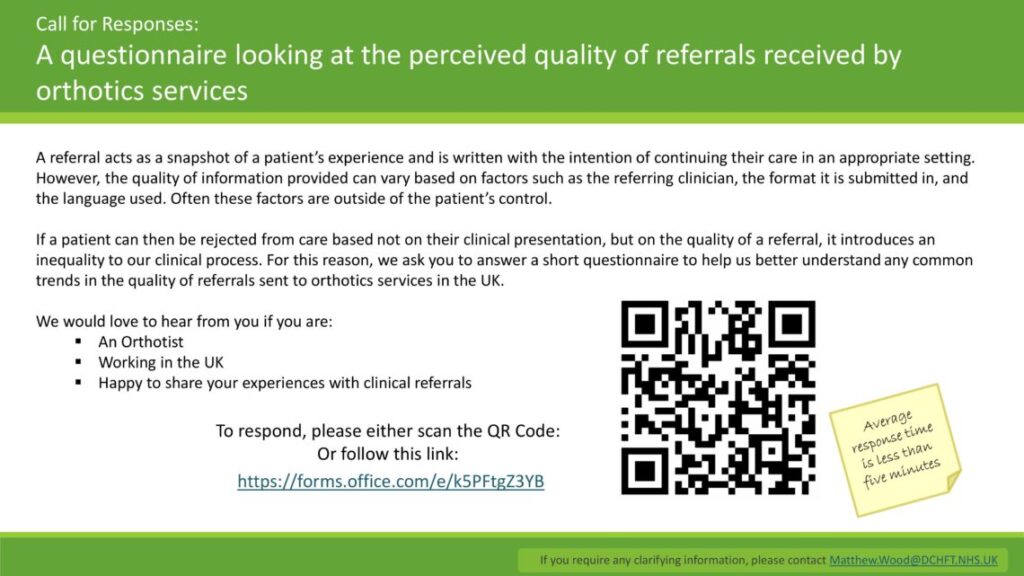
Call for Responses: A questionnaire looking at the perceived quality of referrals received by orthotics services

A referral acts as a snapshot of a patient’s experience and is written with the intention of continuing their care in an appropriate setting. However, the quality of information provided can vary based on factors such as the referring clinician, the format it is submitted in, and the language used. Often these factors are outside of the patient’s control. If a patient can then be rejected from care based not on their clinical presentation, but on the quality of a referral, it introduces an inequality to our clinical process. For this reason, we ask you to answer a short questionnaire to help us better understand any common trends in the quality of referrals sent to orthotics services in the UK.
We would love to hear from you if you are:
▪ An Orthotist
▪ Working in the UK
▪ Happy to share your experiences with clinical referrals

To respond, please either scan the QR Code: Or follow this link: https://forms.office.com/e/k5PFtgZ3YB

Filed Under: News, Research

Career Changers

Prosthetics and orthotics lends itself to a wide range of transferable skills from people of differing backgrounds and experiences. If you hold a degree in bio-engineering, biology, sports science, psychology or similar fields you will have skills that can be transferred to a career in prosthetic and orthotics.

If you have a background in other professions e.g., professional sports or the Armed Forces you will have a multitude of skills that will equip you for a career in prosthetics and orthotics.

You will have a wealth of transferable skills from your life experiences e.g. as a carer for a family member and these benefit a career in healthcare.

The resources on this webpage act as an introduction and are also designed to share stories from people who have already joined us from previous careers.

Life After Professional Sports (LAPS)

From Track to Treatment: Mhairi Henry’s Journey from Athlete to NHS Orthotist
As a tennis player, I understand how people move

Armed Forces Career Changers

Jonathan Wright MBE MBAPO
Orthotist

Jonathan Wright MBE MBAPO
Orthotist

The global twists and turns of a career road less travelled

As with any career, it’s what you make of it.  And so far, over the past (nearly!) 40 years, I have used my knowledge and skills as an Orthotist to work in over 10 different countries, with most of my experience gained in war zones.  And this is the  story that I would like to share with you now.  For my career at a glance, I’ve also summarised some of my roles at the end of this story.
 
It wasn’t a smooth start. Moving countries when you are young has mixed blessings, as does returning to your own country when the time comes. Travel is a great educator, but education and qualifications don’t always travel well. This was overmuch the case with me.
 
I decided to return to England at 19 years of age, education in tatters, £25 in my pocket, one change of clothes in a small suitcase, guitar on my back and homeless (my parents having decided to remain in Africa ). Not a good position to be in.
 
Things rapidly worsened. Whilst attending an interview at a college on the South Coast to register for GCSEs, I was informed that due to my tax status and having been residing out of England for some years, I was classed as an “overseas student”. I would need to pay a couple of thousand pounds to study. Clearly, this was not an option and after a few hours in a local pub, building up the courage to go back to the college to further plead my case, I was still told that, the only other way to get in without charge was to work for three years, to pay tax and National Insurance and then re-apply. This I did.
 
During that time the challenge of finding work was only equalled by the inherent problem of where to live. The latter on occasion coming with the former, but in the main if fortunate, staying in charity hostels such as “Centre Point” in London and if not, fields or bus stations had to suffice.
                                                                        
Fast forward three years, it is now 1982. Having satisfied the system, attaining a few foundational and recognisable qualifications, I was successful in the job market and was employed by an Orthotics company as a Trainee Orthotist. They later went on to sponsor me on the P&O course in Paddington which, at the time, was the first of the new courses in England.
 
To say I struggled with this learning process was an understatement. But we were housed in hotels near the college and living and working with class mates was a truly memorable experience, resulting in several life-long friendships.
 
Once we qualified and went our separate ways, it was “teeth-cutting” time! I started my career in London, working in many of the inner city hospitals, gaining valuable experience in Orthotics.
 
After taking a senior post in Cornwall, employed by the County Council who ran the Orthotics service, which was somewhat unusual, I applied for my first job overseas.
I was fortunate enough to secure a post in a Non-Government Organisation (NGO), run by Sandy Gall, having been interviewed by the “grandfather of Orthotics”, Bill Tuck. In addition to a clinical role, I was also tasked with developing a training programme and establishing an orthotics clinic in Afghanistan. Working in such an environment is difficult to describe, there are so many extra duties and factors influencing daily routine, from language and cultural challenges to security issues and international matters concerning personal and professional arrangements.
Much of this cannot be learned from a text book!
 
The “University of trial and error” is the best way I can describe this learning curve.
One of the most important skills needed was the ability to communicate and negotiate with other colleagues, organisations and the military. Information and networking are essential skills needed when establishing a successful project.
 
Constraints often occur in such fluid situations, so you have to constantly keep your “ear to the ground”. The hard work paid off.  By 1989, the clinic was successfully established in North East Afghanistan and in the same year, the training programme was judged as the best of its kind by the World Health Organisation. 
 
Moving on to Sri Lanka, I undertook two country-wide surveys in the civil war there on behalf of another NGO, with a view to starting a P&O school. This involved negotiating with the various factions at government level and with representatives of the Liberation Tigers of Tamil Eelam. Working within the country during a time of  conflict was quite different from my previous job, as it involved negotiating with both civilians and the military, collating very sensitive information in order to establish a meaningful overview of the need for P&O in the short and long-term. I became versed in the intricacies of landmine construction, placement and impact.
 
Extending my interest in working within conflict zones, my career took me to Cambodia, Mozambique and finally Bosnia, undertaking clinics, presenting papers on P&O, promoting new Prosthetic limb systems, developing project proposals, monitoring and evaluating projects and writing impact studies.
 
I became involved in the rehabilitation of service veterans and worked closely with BLESMA (the limbless veterans) charity, BCEL (British Commonwealth Ex-Service Men’s League), CAFOD (Catholic Agency for Overseas Development) and various other organisations.
 
My career has also lead me to work in Germany, Switzerland and New Zealand gaining an invaluable insight into P&O on an international scale, but this was interspersed with undertaking a great number of NHS clinics throughout the UK.
 
My clinical time has been enhanced with involvement in our professional organisations, i.e. BAPO and HCPC (Health and Care Professions Council), various National NHS Reports, such as “Darzi” and “Carter”, undertaking reviews on NHS Hospital departments and assisting commercial companies in contracting and technical training.
 
More recently, I have become a P&O “trailblazer”, constructing a pre-course for newly employed students prior to the inception of the programme proper, and I have also mentored students on several occasions over the years.
 
Over the course of my long career, I have been awarded the M.B.E for my services to disabled people and associated work internationally, the Bader Prize for commitment in my work treating war veterans and various travel sponsorships.  My work has been noted in World Health Organisation reports and I have presented many papers on the treatment of refugees and war casualties both at international military and civilian conferences.  I have worked in clinical, leadership, research and education roles including project development, training, monitoring and evaluation, and undertaking impact studies and logistical analyses in conflict zones.
 
I hope that my story shows that within our profession you can follow your own pathway. I hope I have served it well by elevating it both internationally and nationally.
 
In conclusion, I would like to return to the beginning of my story and thank my old guitar, which once sold, contributed funds to my decision-making pub session all those years ago, providing me with enough “Dutch Courage” to gain the all-important, albeit daunting information necessary to embark on my pathway of studies and subsequently my career in Prosthetics and Orthotics.
 
Some of my roles within my career:

Trainee Orthotist
Orthotist in NHS and Local Authority services
Team leader (establishing new P&O clinic in Afghanistan)
Lead Clinical trainer (developing WHO recognised P&O course in Pakistan)
Lead Author (including for two major surveys to establish a P&O school in Sri Lanka)
Freelance Orthotist and Writer (writing project reviews for P&O projects in Cambodia)
Lead presenter and project reviewer (for P&O in Mozambique and in Bosnia)
Lead P&O professional co-directing “limbs for Bosnia” in conjunction with BLESMA ((the limbless veterans charity)
    Carolyn Royse – From the Engine Room to the Clinic Room

    It was coming up to my last year in high school with my GCSE’s around the corner I was mulling over the prospect of a further two years of A levels. My older brother had already bemoaned how much harder they were and it was setting off alarm bells.

    No thank you. I wanted an adventure, I wanted to travel the world, I wanted to carry on studying but for a reason and for a career. A fortunate “forced” attendance to a “Careers and Opportunities” day led me to consider the Merchant Navy. Training as a Deck or Engineering Officer or Dual Officer, on a commercial ship I could study and work and adventure. It sounded ideal. I earned a cadetship as a dual practicing officer with BP shipping. I would earn HND’s in deck and engineering sciences and after a 8 week induction course at South Shields Marine, at the age of 16, was boarding a flight to Whangārei New Zealand to join my first ship the MV British Success. A ship built by Harland and Wolff, the shipyard that bought you the Titanic! This was boding well, right!?

    That first trip was so memorable and taught me lots of things that I didn’t realise at the time. Talking to others out my peer group, working with people from other countries and cultures, skills of persuasion, adaptability, independence, the total reliance on a shifter (adjustable spanner). I travelled extensively around Australia, New Zealand, the far east and the middle East, not spending as much time ashore as I’d of like but after a 5 month voyage feeling like a completely different person.

    Finally finishing my training 4 years later I remained at sea as 3rd Engineering Officer until I was 25. It involved a few dry docks, an exploding boiler and plenty of near misses. An unfortunate series of injuries while away meant that I could no longer stay at sea, and after an office job in a shipping company, I soon realised that said job (and indeed any office) was not for me. 

    I decided to go back to university and was considering Naval Architecture or Mechanical Engineering. But they did not float my boat, so to speak. Being a Salfordian I decided to check out other courses at my local university. That’s where I stumbled on the P and O course. I went along to talk with the staff, the mix of engineering and healthcare appealed and decided that a total change in career was for me. I started my BSc (hons) Prosthetics and Orthotics where I graduated in 2007.

    I worked in Dublin and Bournemouth before settling down in Dorchester, Dorset as a senior clinician and then manager of the Orthotic Dept. I have loved serving the NHS as both a contracted and in-house clinician and been offered so much opportunity. A fellowship in Population Health, secondment to University of Southampton, being a part of Allied Health Dorset ICB council, leading the Public Health committee for the ICB and look at those opportunities for BAPO, chances to take part in research and our small but hard working Orthotic team at Dorset County Hospital winning a prestigious HSJ patient safety award.

    But perhaps those itchy feet I felt as a 16 year old school kid in Salford never really went away. With a settled career, settled homelife and two great kids I upped sticks last year and moved to Brisbane, Queensland, Australia to basically start again as Team Lead O and P. My move and role here has been challenging. Working in different healthcare system, eye opening. My husband jokes that he wishes my midlife crisis had been a sports car! But I think living fearlessly is something that the merchant navy has taught me, and that the world is indeed a very small place. All the practical engineeering skills and the skills required to quickly build trust and rapport and always keeping a sense of humour and finding a way forward in the face of adversity are skills that were born out of my time in the Merchant Navy and stay with me today. 

    Here’s to the next adventure.

    Ready to start your new career?

    Visit our careers web-page for more information

    24th February 2025 by BAPO Admin

    MSK Foot and Ankle: Holistic Management & Treatment Strategies

    Course description:
    This 2 day face-to-face short course offers participants an opportunity to learn about the orthotic management of musculoskeletal (MSK) disorders of the foot and ankle in a group setting (maximum 18 participants). The experienced faculty of Orthotists will share their knowledge and skills in both theory and practical sessions.

    Prior to the commencement of the course, registrants will be asked to read four designated full text journal articles.
    During the course, participants will attend taught theoretical sessions mixed with active learning which will involve dividing into smaller groups to interpret x-rays and assess each other’s feet and ankles with feedback and guidance from the faculty team.

    The course offers participants an intimate, focussed, and friendly learning environment away from the bustle of everyday clinical work to refresh their knowledge with best available evidence and equip them with the skills to enable them to build their confidence and MSK practice.

    Aims:
    This event aims to equip Orthotists and other AHP’s regularly involved in treating adult MSK foot and ankle conditions with the assessment, diagnostic and image interpretation skills to enable them to differentially diagnose and holistically manage Musculoskeletal foot and ankle conditions.

    Faculty:
    Simon Dickinson, Clinical Director & Consultant Orthotist, TalarMade Ltd
    Chris Cox, Teaching Fellow, National Centre for Prosthetics & Orthotics, University of Strathclyde

    Learning Outcomes:
    By the end of this event the participant will be able to:
    Describe normal Foot and Ankle function
    Describe a range of MSK Foot and Ankle pathologies
    Define the tests required for differential diagnosis of a range of Musculoskeletal Foot and Ankle pathologies
    Demonstrate competence in interpreting the outcomes of a range of diagnostic tests
    Utilise imaging as part of the MSK patient assessment
    Demonstrate the ability to differentially diagnose a range of Musculoskeletal Foot and Ankle conditions
    Perform a thorough biomechanical examination to determine the biomechanical deficit
    Establish an evidence-based holistic treatment plan to address the presenting issue
    Generate a detailed evidence-based orthotic prescription, management plan including anticipated outcome

    Intended Participants:
    Practising Orthotists who have not previously attended the “Assessment, Diagnosis and Treatment of Musculoskeletal Foot and Ankle Problems for Orthotists” course
    AHP’s regularly involved in treating adult MSK foot and ankle conditions
    and
    Practising Orthotists who attended the “Assessment, Diagnosis and Treatment of Musculoskeletal Foot and Ankle Problems for Orthotists” between 2015 – 2016

    Please note this course is not available to Students.

    Venue:
    TalarMade Ltd, Edinburgh House, Millenium Way, Chesterfield, S41 8ND.

    We encourage practising Orthotist attendees to apply for reimbursement from OETT
    (The Orthotic Education and Training Trust).
    Applications can be made on the OETT website at www.oett.org.uk
    Requests for reimbursement must include evidence of reflective learning/CPD.

    Member Tickets
    Non-member Tickets

    15th January 2025 by BAPO Admin

    HCPC Year in Registration report 2024

    Highlights from the 2024 Survey:

    • Perception of Programmes: Respondents continue to describe their programmes positively, with words like “supportive,” “thorough,” and “valuable.” 78% agreed their programme prepared them well for practice.
    • Interprofessional Education: While 70% acknowledged its importance, 8% reported no engagement with other professional groups, highlighting an area for improvement.
    • Service User Engagement: There has been a notable improvement in service user involvement, reflecting efforts to enhance this area.
    • Practice-Based Learning: 80% agreed their practice-based learning effectively developed the skills and knowledge needed for professional practice. Respondents also found the requirements of practice-based learning clear.
    • Preceptorship Support:
      • Mixed experiences, with some feeling unsupported, especially in the early months, impacting mental health.
      • 28% reported not having a structured learning period, though this is a 6% improvement from last year.
      • Preceptorship periods remain short for some, with 27% reporting durations of 1-3 months or less.
    • Alignment with Learning Objectives: 67% agreed their academic work aligned with learning objectives, slightly lower than in 2023, partly due to staffing challenges in education providers.
    • Artificial Intelligence: Many respondents reported minimal interaction with AI during their studies, highlighting potential gaps in integrating emerging technologies.

    Next Steps:

    We are using these findings to guide our performance review process, encouraging education providers to reflect on specific areas of improvement. These insights will continue to shape our quality assurance work, ensuring education aligns with our public protection remit.

    For more detailed information, you can read the full report.

    HCPC Year In Registration Survey Report (2024) -Final

    Filed Under: News

    Early Career Support

    Resources

    BAPO (2024) Early Career Guidance Framework

    The BAPO Early Career Guidance Framework is designed to support newly qualified clinicians through the transition from pre-registration learner into their first role as an HCPC registrant. It explains what Preceptorship is and how to prepare yourself to make the most of this period of individualised, structured transition support.

    BAPO Early career guidance framework for prosthetics and orthoticsDownload
    BAPO (2024) Career Development Framework

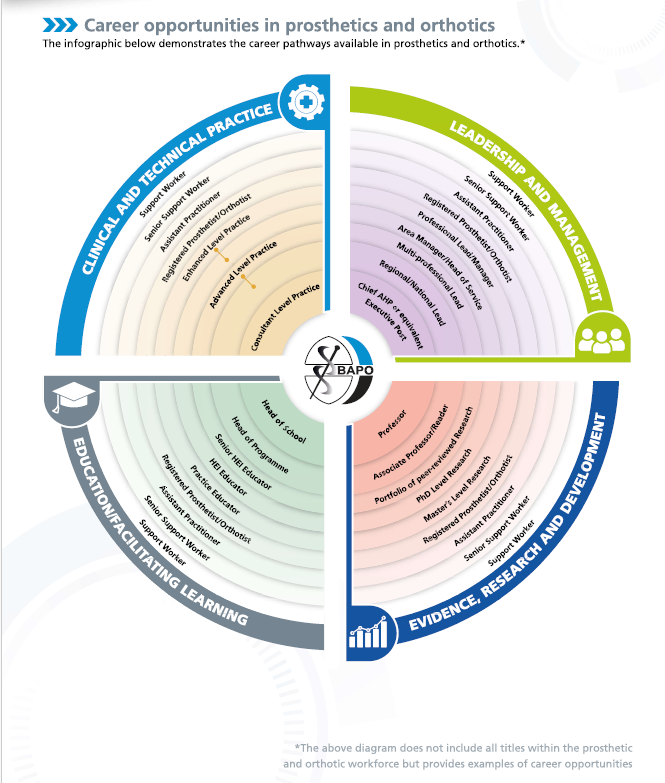
    The BAPO Career Development Framework is essential reading alongside the HCPC Standards. Your professional development continues long after you finish your initial studies. The Framework outlines how your knowledge, skills and capabilities can be developed across.

    BAPO Careers Development Framework for Prosthetists and OrthotistsDownload
    BAPO Preceptorship Expectations on a page – Employers
    Preceptorship Expectations for EmployersDownload
    BAPO Preceptorship Expectations on a page – Preceptors
    Preceptorship Expecations of PreceptorsDownload
    BAPO Preceptorship Expectations on a page – New Graduates & Preceptees

    This one-pager sets out BAPO’s expectations of new graduates engaging with preceptorship programmes as part of their first registrant role. You have nothing to lose and everything to gain by taking on the excellent advice it offers.

    Perceptorship Expectations of New Graduates & PrecepteesDownload
    BAPO Top Tips – Negotiating access to NHS preceptorship offers
    BAPO Top Tips – Negotiating access to NHS Trust preceptorship offersDownload
    BAPO Preceptee Learning Needs Analysis Tool

    The focus of preceptorship is building your confidence as you navigate the transition from pre-registration learner to being employed in your first role as an HCPC registrant. Your educational programme will have ensured that, at the point you enter the register, you meet the HCPC Standards of Proficiency for Prosthetists / Orthotists. However, it’s fair to say that your confidence in each of these areas might be a different matter. Download this Learning Needs Analysis Tool and gradually work through it with your preceptor over the course of your preceptorship. It will help to identify the areas that need some attention and support. Fear not! You don’t have to do everything all at once!


    Preceptee Learning Needs Analysis Tool 2Download
    Case Studies
    Voices of experience (case study)Download
    Investing in staff (case study)Download
    Smoothing the transitions (case study)Download
    Value for international recruits (case study)Download
    Steps and Stages in Early Career Support
    Early career support indicative relationships infographicDownload
    Differentiating Preceptorship and Foundation Support infographicDownload
    Apprentice Expectations
    Apprentice expectationsDownload
    Higher Education Expectations
    Higher Education expectationsDownload
    Educator Expectations
    Educators expectationsDownload


    Webinars

    Videos

    The Value of Embedding Preceptorship for new P&O Graduates. 

    Please check out our resources that can be found in our Learner Hub 

    Learning Hub

    Equality Diversity and Inclusion (EDI)

    BAPO is committed to eliminating discrimination and promoting equality, diversity and inclusion (EDI) in everything we do.

    We want to ensure our members and our people are:

    • Treated fairly with equality of opportunity and without discrimination.
    • Experience a welcoming and inclusive environment that promotes dignity and respect for all. 
    • Enabled, encouraged and celebrated to contribution to the profession and our work, to represent the diverse backgrounds that make up our profession.
    • Protected against bullying, harassment, victimisation and unlawful discrimination. 


    BAPO aims to:

    • Play our part in removing barriers and redressing imbalances caused by inequality and unlawful discrimination.  Ensure decisions concerning our members and our people, including recruitment and appointment, are based on merit (apart from any necessary and limited exemptions and exceptions allowed under the Act).
    • Review regularly our policies, procedures and working practices to ensure equality, diversity and inclusion are embedded in all we do, to assess our impact and to take account of any changes in the law or good practice.
    EDI flyeradvert 2Download
    EDI flyer advert 1Download

    What is EDI?

    EDI stands for equality, diversity and inclusion, other similar acronyms include equity, diversity, inclusion and belonging.

    • Equality means ensuring that everyone has the same opportunities and is treated with the same dignity and respect
    • Equity means to treat people how THEY want to treated. Equity is the treatment of people according to what they deserve, with an understanding of structural inequalities faced by some people.
    • Diversity is about representation and valuing individuals for the different characteristics, perspectives, and experiences they have to offer. 

    There are two types of diversity:

    • Demographic e.g. disability, race, sexual orientation
    • Cognitive e.g. people who have different ways of thinking, and different skill sets in a team
    • Inclusion is when a person is valued for their uniqueness, it involves positively striving to meet the needs of different people and taking deliberate action to create environments where everyone feels respected and able to achieve their full potential
    • Belonging is feeling secure, supported, accepted, and included
    Equality, diversity, and inclusion policy 2022Download
    Legislations

    Equality Act 2010 ‘the Act’. This is Legislation that applies in England, Wales and Scotland, but not in Northern Ireland. This protects people from discrimination, harassment or victimisation.
     
    Under the Equality Act you are protected from discrimination:
    when you are in the workplace
    when you use public services like healthcare or education
    when you use businesses and other organisations that provide services and goods
    when you use transport
    when you join a club or association
    when you have contact with public bodies like your local council or government departments
     
    The Act sets out a number of what are known as ‘protected characteristics.’ 
     
    Northern Ireland:
    – Gaps in equality law between Great Britain and Northern Ireland (equalityni.org)
    – ECNI – Single Equality Act
    – ECNI – The Law, Equality Legislation, Equality Commission, Northern Ireland
     
    The equalities act also includes public Sector Equality Duty, whereby public bodies (like local councils, hospitals, and publicly-funded service providers) must consider how their decisions and policies affect people with different protected characteristics. The public body also should have evidence to show how it has done this, so this will be relevant to our profession.
     
    The  UN Convention on disability rights has been agreed by the UK to protect and promote the rights of disabled people.
     
     
    The equality and human rights commission are Britain’s independent equality and human rights regulator. Their role is in enforcing and upholding the laws that safeguard everyone’s right to fairness, dignity and respect. The commission enforces the Equality Act 2010. Homepage | EHRC

    Protected Characteristics

    The following characteristics are protected characteristics –

    • age
    • disability
    • gender reassignment
    • marriage and civil partnership
    • pregnancy and maternity
    • race and ethnicity
    • religion or belief
    • sex
    • sexual orientation


    Areas of note with regards protected characteristics

    • Sex is different from gender, sex is a label assigned at birth based on the reproductive organs a person is born with. There are male and female groups and intersexpeople are born with both male and female reproductive organs. Gender involves how a person identifies and can cover a broad spectrum.
    • Ethnicity and race are separate and can sometimes be confused. Ethnicity is linked to cultural expression and identification and is defined as large groups of people classed according to common racial, national, tribal, religious, linguistic, or cultural origins or backgrounds. This is different from race which is usually associated with biology and linked with physical characteristics such as skin colour or hair texture and is defined as people who share certain distinctive physical traits.
    • Disability discrimination must consider ableism, which is discrimination and social prejudice against people with disabilities or those who are perceived to be disabled.
    • Religion includes protection against discrimination for those who do not hold a belief, the equality act notes that religious protections must not be incompatible with human dignity and not in conflict with the fundamental rights of others. For example, beliefs around racial superiority or heteronormative superiority are not protected.
    Discrimination, harrassment and victimisation

    Discrimination – The equalities act 2010 protects people from discrimination, there are a number of different kinds of discrimination, please click on the links to learn more about each type of discrimination:

    1. Direct discrimination
    2. Combined discrimination: dual characteristics
    3. Discrimination arising from disability
    4. Gender reassignment discrimination: cases of absence from work
    5. Pregnancy and maternity discrimination: non-work cases
    6. Pregnancy and maternity discrimination: work cases
    7. Indirect discrimination
    8. Indirect discrimination: same disadvantage


    Harassment is unwanted behaviour that a person finds offensive, where the other person’s behaviour is because:

    • you have a protected characteristic
    • there is any connection with a protected characteristic (for example, you are treated as though you have a particular characteristic, even if the other person knows this isn’t true)

    Unwanted behaviour could include:

    • spoken or written abuse
    • offensive emails
    • tweets or comments on websites and social media
    • images and graffiti
    • physical gestures
    • facial expressions
    • banter that is offensive to you


     You don’t need to have previously objected to it.

    The unwanted behaviour must have the purpose or effect of violating your dignity, or creating a degrading, humiliating, hostile, intimidating or offensive environment for you.

    To be unlawful, the treatment must have happened in one of the situations that are covered by the Equality Act. For example, in the workplace or when you are receiving goods or services.

    For more information see https://www.legislation.gov.uk/ukpga/2010/15/section/26 and Harassment and victimisation | EHRC


    Victimisation is treating someone badly because they have done a ‘protected act’, or because an employer, service provider or other organisation believes that a person has done or is going to do a protected act. The reason for the treatment does not need to be linked to a protected characteristic.

    A protected act is:

    • making a claim or complaint of discrimination (under the Equality Act)
    • helping someone else to make a claim by giving evidence or information
    • making an allegation that you or someone else has breached the Equality Act
    • doing anything else in connection with the Equality Act

    See  Equality Act 2010 and Harassment and victimisation | EHRC for more details

    HCPC Standards of proficiency for EDI

    Equality, diversity and inclusion |

    equality-diversity-and-inclusion.pdf

    https://youtu.be/WQov1scywdc

    Health inequalities

    Health inequalities 

    • Healthcare inequities are differences in healthcare that are avoidable, unfair and unjust
    • Health disparities are differences in health amongst groups of people

    What Are Health Inequalities? | The King’s Fund – Article discussing health inequalities and life expectancy 

    Tackling Health Inequalities | Seven Priorities For The NHS | The King’s Fund – Kings fund project discussing the seven key priorities to tackle health inequalities 

    Mental health and wellbeing is it time to change the narrative_ bapoDownload
    Intersectionality

    Intersectionality 

    • Considers how human beings differ and how the intersection of those differences creates unique experiences
    • Different forms of oppression overlap, creating unique societal and personal consequences of these intersections.
    • Intersectionality can impact on health outcomes

    See this you tube video on intersectionality for more information What is intersectionality?

     Lived Experience And Intersectionality In Health Care | The King’s Fund – Kings fund article discussing lived experience and intersectionality in health care


    Privilege
    • Privilege is an advantage that an individual or group of people has.
    • Privilege can also be an absence of barriers and obstacles that other individuals or groups of people are faced with.
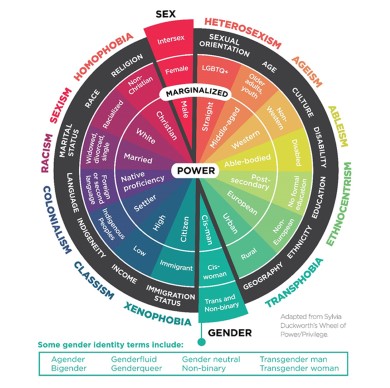
    • The wheel of power / privilege considers three factors:

    – Individual

    – Interpersonal

    – Systemic

    Those on the inner hub of the wheel you hold the most power and privilege in society whereas those on the outer hub tend to hold the least power and privilege.

    • Reflect on where you are on the wheel?
    • Reflect on where most other people you know are on the wheel?
    • Reflect on where the people on the inner hub and outer spokes of the wheel appear in society?
    Reports

    NHS England » NHS equality, diversity and inclusion (EDI) improvement plan

    NHS England » NHS Workforce Race Equality Standard

    NHS England » NHS Workforce Race Equality Standard 2023 data analysis report for NHS trusts

    NHS England » Workforce Disability Equality Standard

    NHS England » Workforce Disability Equality Standard: 2023 data analysis report for NHS trusts

    NHS England » Gender pay gap report

    CYP_summary_of_final_report_-_accessible.pdf – Care experienced children’s and young peoples summary and recommendations report

    HwH International Recruits Review FINAL (1)


    Resources

    DISABILITY

     Supporting Disabled staff and learners 

    health-disability-and-becoming-a-health-and-care-professional.pdf – Information for Disabled learners on becoming a healthcare professional

    Understanding disability infographic | NHS Employers – Disability statistics and considerations 

    How to recruit and support disabled staff in the NHS | NHS Employers – Recruiting and retaining Disabled staff

    Understanding and supporting staff with a hidden disability | NHS Employers – Support for staff with hidden disabilities 

    Health passports 

    NHS England » Health and care passports – Health passports for patients 

    https://www.nhsemployers.org/system/files/media/Health-passport_0.pdf  – NHS employers health passports for staff

    health-adjustment-passport.pdf – Department for Work and Pensions health adjustment passport

    About | AXS Passport – Diversity and ability adjustments passport

    health-adjustment-passport.pdf


    Reasonable adjustments

    Reasonable adjustments Download
    Reasonable adjustments infographic.pdfDownload

    Neurodiversity

    By focussing on the communication needs of patients, and in particular those who may have different requirements in terms of communication style, such as patients with mental health conditions, or neurodiversity such as learning difficulties or autism, can impact upon how effectively the patient then engages with the NHS and social support systems.

    Simple changes made in clinic can have a great impact on a patient’s experience. Accessible information, that includes simplified language, imagery and symbols can be helpful in aiding communication. Inclusive communication means to recognise and utilise all forms of communication rather than just written and verbal, such as facial expressions, gestures, movements, signs, pictures, and objects.

    Images from Icons word 365

    Click the link below for various case studies on AHP’s transforming the health, care, and wellbeing of neurodiverse patients: ld_autism_case_study_collection_finalv3.pdf (ahpnw.nhs.uk)

    Celebrating Neurodiversity – Made in Salford – Ellie studies English and Drama, and Helen is an Adult Nurse Lecturer, both are neurodivergent and are based at the university of Salford. This article documents their reflections on how being neurodivergent impacts their day-to-day lives and the unique strengths that come along with it.

    Hidden disabilities

    Living with Non-Visible Disabilities – The Disability Unit – Definition of hidden disabilities 

    Hidden disabilities (hdsunflower.com) – Types of hidden disabilities

    A symbol for non-visible disabilities – Information on the sunflower lanyard and hidden disabilities


    Disabled student allowance

    Health Learners: DSA Find Your Way | D&A | Diversity and Ability – Information for health learners 

    Help if you’re a student with a learning difficulty, health problem or disability: Disabled Students’ Allowance – GOV.UK – Government information on what DSA is 

    Disabled Students’ Allowances (DSA) guide 2024 – Save the Student – Article documenting eligibility and signposts to application for DSA


    Access to work

    Health Professionals: Access to Work Find Your Way | D&A | Diversity and Ability

    Access to Work: get support if you have a disability or health condition: What Access to Work is – GOV.UK


    LGBTQ+

    Equality, Diversity and Inclusion (EDI) – BAPO LGBTQ+ pride information 

    Health-and-Care-LGBTQ+-Inclusion-Framework.pdf (nhsconfed.org) A practical framework for health and care leaders to create inclusive environments for LGBTQ+ staff and patients across six pillars 

    National LGBT Survey: Research report – GOV.UK – National LGBTQ+ experience survey report 

    Diabetes – Trans Gap Project (wordpress.com) – Project considering the intersection between trans people and diabetes diagnosis 


    RACE AND ETHNICITY

    https://www.blackandbrownskin.co.uk/mindthegap – Clinical Handbook of signs and symptoms in dark skin tones

    Equity in medical devices: independent review – final report – GOV.UK – Findings and recommendations of the independent review into racial, ethnic and other factors leading to unfair biases in the design and use of medical devices

    The Health Of People From Ethnic Minority Groups In England | The King’s Fund – Article discussing health inequalities, experiences and outcomes for different ethnic groups

    A scoping review exploring the confidence of healthcare professionals in assessing all skin tones – PMC – Scoping review of health care professional confidence of assessing different skin tones 

    Our Strategy – NHS – Race and Health Observatory – The NHS Race & Health Observatory strategy 2021– 2024: Driving Race Equity In Health and Care

    Adult obesity and type 2 diabetes – Public health England report into adult obesity and type 2 diabetes

    191ac9b79f47de2896cf1a30f39037f5.pdf – Addressing skin tone bias in wound care

    Ethnic inequalities in hospital admissions in England: an observational study | BMC Public Health | Full Text – Observational study of ethnic inequalities in hospital admissions in England 


    THE REFRAME IMAGE LIBRARY

    The Reframe image library is a diverse and inclusive collection designed to increase visibility of under-represented groups in healthcare images:

    https://reframeimagelibrary.fotoware.cloud/fotoweb/


    Support
    A-Z of NHS, charity and website resourcesDownload

    BAPO Response to riots

    BAPO would like to extend support and solidarity to anyone affected by the current violence that we are seeing reported. BAPO strongly condemns the violent and racist riots and intimidation that have taken place across the country. We value diversity, it is the cornerstone of our profession and of course, the wider NHS and companies that support the profession. During challenging times like these, we need to demonstrate our values of community, inclusion and allyship more than ever. We encourage members to stand together to support any staff, service users or members of the public affected. We understand that current events may create feelings of fear, distress and anxiety, the following collated signposting and support links might be helpful.

    Wellbeing support for Black, Asian and Minority Ethnic NHS staff (hee.nhs.uk) provides links for support services offered to NHS colleagues from culture and ethnically diverse backgrounds

     Black Minds Matter’s connects Black individuals and families with free mental health services by professional Black therapists to support their mental health.

    The Black, African and Asian Therapy Network BAATN is the UK’s largest independent organisation to specialise in working psychologically, informed by an understanding of intersectionality, with people who identify as Black, African, South Asian and Caribbean.

    Taraki work with Punjabi communities to improve access to mental health awareness, education, social supports, and research through culturally safe activities to benefit individual and community-level care.

    The National Union of Students (​NUS) Black students’ network represents students of African, Asian, Arab and Caribbean heritage. The network supports issues affecting Black students on a local, national and international level.

    Nafsiyat is a pioneering charity offering intercultural therapy in over 20 languages to people from diverse cultural communities. Nafsiyat offers short-term intercultural therapy to people from diverse backgrounds who live in Islington, Enfield, Camden and Haringey.

    Nilaari is a Black, Asian and Ethnically diverse led community-based charity. Their diverse staff team deliver culturally appropriate and responsive social care support and talking therapies. All services are designed to support client’s emotional wellbeing and mental health. Nilaari provides community-based mental health care for people living in Bath and North East Somerset (B&NES), Bristol, North Somerset, South Gloucestershire, Swindon and Wiltshire.

    BMHS Wales is a not-for-profit organisation focused on education and advocacy to inspire mentally healthy ethnically diverse communities by providing support appropriate to their mental health and wellbeing.

    Saheliya (Edinburgh and Glasgow) Saheliya is a specialist mental health and well-being support organisation for black,  minority ethnic, asylum seeker, refugee and migrant women and girls (12+) in the Edinburgh and Glasgow area. Their staff are from a variety of different cultures and ethnic backgrounds and they all have an understanding of how race, gender and culture affects the mental well-being of black and minority ethnic women and girls.

    If you have any feedback or need any support from BAPO to further support colleagues and communities affected by this, please email : enquiries@bapo.com

    My Whole Self Managers Toolkit 2024Download
    mywholeself-myplanforworkingwellfinalDownload
    Videos
    • https://youtu.be/qetaR5oeb6s?feature=shared Black history month
    • https://youtu.be/WbFZvlcwqt4?feature=shared Disability
    • https://youtu.be/G3Aweo-74kY?feature=shared Gender roles
    • https://youtu.be/Q1D65SxzojI?feature=shared LGBTQ+
    • https://youtu.be/xsfml3yVh1g?feature=shared Neurodiversity
    • https://youtu.be/VXLtKlmtrvM Protected characteristics
    • Understanding unconscious bias | The Royal Society – YouTube Unconscious bias
    • https://youtu.be/1I3wJ7pJUjg?feature=shared White privilege
    Lived Experience quote cards

    BAPO is launching some EDI quote cards to raise awareness about the lived experience, barriers and enablers for some members of the P+O community, we want to challenge perceptions and bias and open up the conversation about inclusive environments in P+O. 

    If you would like to share your experience, please complete the MS form using the button below:

    Complete MS Form
    Disability (2) EDI quotation card template ANONYMOUSDownload
    LGBTQ (1) EDI quotation card template ANONYMOUSDownload
    LGBTQ (T1) EDI quotation card template ANONYMOUSDownload
    Disabillity (1) EDI quotation card template ANONYMOUSDownload
    LGBTQ (2) EDI quotation card template ANONYMOUSDownload
    LGBTQ (T2) EDI quotation card template ANONYMOUSDownload
    Disabled (3) EDI quotation card template ANONYMOUSDownload
    LGBTQ (3) EDI quotation card template ANONYMOUSDownload
    LGBTQ (T3) EDI quotation card template ANONYMOUSDownload
    BAPO Learner Welcome Pack

    The learner’s welcome pack has been designed for practice educators to edit and share with learners about embarking on practice-based placements. It is a document for practice educators to collate all the relevant information needed for learners for easy reference and can be used as a source of support for learners. The aim is to standardise the way you as the learner receive information about placement and raise awareness of and promote open conversations about the challenges of learning, mental health and wellbeing including stress management, and EDI, including content on reasonable adjustments to contribute towards an inclusive placement experience. If you have not received a copy of this from your practice educator, you could download it and work with your practice educator to make sure you gather all of the essential information required for your placement. This pack is best viewed electronically as there are clickable links and resources throughout.


    Learners welcome pack FINALDownload
    BAPO Learner Placement form

    The placement form provides a tool for capturing key information about you as an individual learner, your approach to learning and your individual learning support needs, including any required reasonable adjustments. The completed form can be shared with your practice educator before your placement commences, to allow suitable preparations to be made to support you to maximise the learning opportunities from your practice- based education. 

    Learner Placement FormDownload
    An exploration of inclusive practices for Disabled Learners in UK prosthetics and orthotic higher education programmes
    An exploration of inclusive practices for Disabled learners in UK prosthetics and orthotic higher education programmesDownload

    Webinars

    EDI presentation teatime talk finalDownload

    2nd January 2025 by BAPO Admin

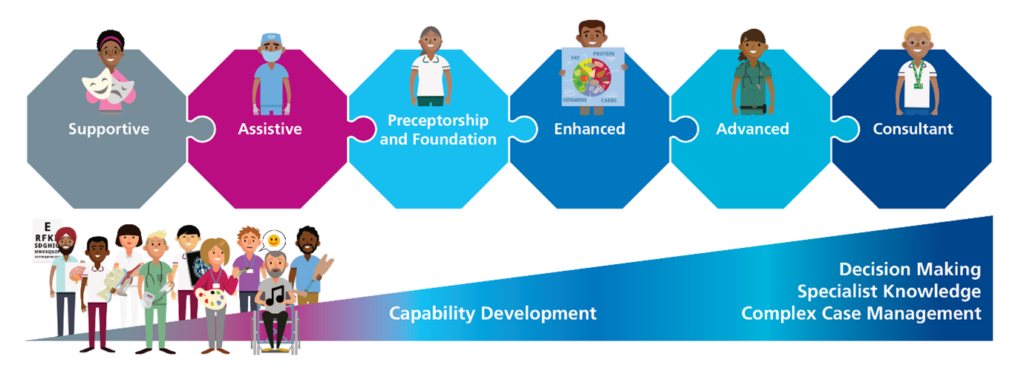
    Enhanced Practice

    Source: Reproduced from NHS England

    Resources

    Enhanced practice infographic 2Download
    Enhanced Practice Mythbusting (1)Download

    Patient Group Directions
    Patient Group DirectionsDownload
    Enhanced Practice for employers
    Enhanced Practice for employersDownload
    Enhanced Practice for P&O
    Enhanced Practice for P&ODownload
    Advanced Practice in Prosthetics and Orthotics

    BAPO-Advanced-Practice-in-Prosthetics-and-Orthotics-compressed-1.pdf

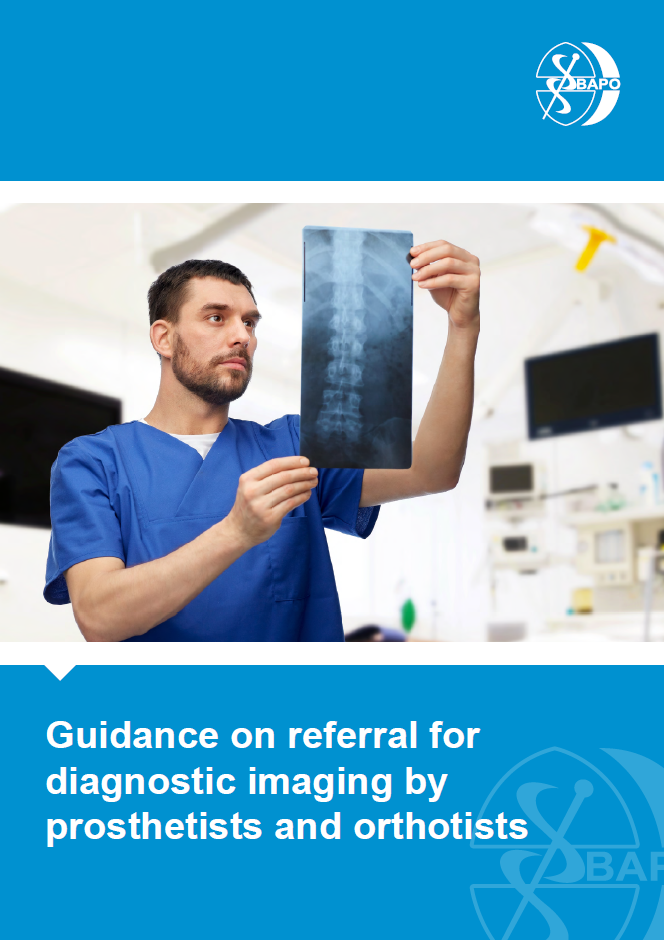
    IRMER Guide
    IRMER Guide Appendix
    IRMER Guide Main

    Frequently Asked Questions (FAQs)

    What is the difference between enhanced and advanced practice?

    Enhanced and advanced practice are different levels of professional practice. At each level of professional practice, a health and care professional’s ability to handle complexity and risk increases.
     
    At an enhanced level of practice, practitioners will have additional knowledge and skills in a field of expertise. They will manage discrete aspects of a patient’s care, often particular to specific conditions and groups of patients.
     
    At an advanced level of practice practitioners will have developed their knowledge, skills and expertise in their area of practice even further. They will be able to manage the whole episode of a patient’s care from the time they first present, through to the end of the episode.
     
    More information on the difference between enhanced and advanced practice can be found in the employer’s guide to the Enhanced Clinical Practitioner apprenticeship.

    Can completing education and training for enhanced practice lead to advanced practice?

    Completing the Enhanced Clinical Practitioner apprenticeship or other pathways into enhanced practice might be one step on a career journey to advanced practice, or enhanced practice could be a fulling career destination in its own right.
     
    Advanced practice education and training is different from the Enhanced Clinical Practitioner apprenticeship or other pathways into enhanced practice. To become an advanced practitioner, prosthetists and orthotists would need to be appointed to a trainee advanced practitioner position. They would then complete a Master’s degree in advanced practice which is normally three years in duration and includes both academic content and supervised clinical practice in the workplace. More information about advanced practice is available here.

    Someone who has completed the Enhanced Clinical Practitioner apprenticeship at level 7, or other relevant Master’s level qualifications, might ask an education provider delivering the Master’s in advanced practice to give them some credit for their previous study through Accredited Prior (Experiential) Learning (AP(E)L) which might reduce the duration and content. This will, however, be a case-by-case decision for the education provider based on their own requirements for recognising prior experience and learning.
     

    What is the purpose of NHS England’s enhanced level practice schema for prosthetists and orthotists?
     

    NHS England has published an enhanced level practice schema and indicative curriculum for prosthetics and orthotics.

    The schema is aimed primarily at education and training providers and its purpose is to help support the design and delivery of postgraduate education and training for enhanced level practice – both apprenticeship and non-apprenticeship pathways.

    The schema includes descriptors for enhanced level practice in prosthetics and orthotics across different care pathways. These can help employers and prosthetists and orthotists understand what enhanced practice looks like in the profession.


    Prosthetists and Orthotists

    How do I become an Enhanced Clinical Practitioner?

    Enhanced practice is a level of professional practice which already exists in prosthetics and orthotics. It is not a job role, title or salary band. Although the published standard for the apprenticeship uses the title ‘Enhanced Clinical Practitioner’, this is not a title that is or will be used in practice.
     
    There are different pathways for prosthetists and orthotists to practise at an enhanced level. This includes post-registration and postgraduate qualifications and courses together with significant relevant experience. As an additional pathway, there are now apprenticeship programmes which prepare prosthetists and orthotists to practise at this level.
     
    Prosthetists and orthotists wanting to develop at an enhanced level of practice should speak to their employers to discuss their career aspirations and how they can best be supported.

    Do I have to complete the Enhanced Clinical Practitioner apprenticeship to get a role at band 6?

    No.
     
    The Enhanced Clinical Practitioner apprenticeship is one additional, structured  pathway for enhanced practice. It is likely to be most suitable for those who are newly promoted, or working towards a job role (normally at Band 6) that requires them to develop the complex knowledge and expertise required to handle more complex patient presentations.
     
    There are other pathways into enhanced practice roles which include completion of post-registration and/or postgraduate qualifications or courses together with significant relevant experience. Prosthetists and orthotists should discuss with their employers which career development pathways might be available and suitable for them.

    I am already employed as a Band 6 senior orthotist. Is the Enhanced Clinical Practitioner apprenticeship for me?

    Maybe.

    The Enhanced Clinical Practitioner apprenticeship is most suitable for prosthetists and orthotists who are newly promoted or who are working towards a job role (normally at band 6) that requires them to develop the complex knowledge and expertise required to handle more complex patient presentations.

    For some prosthetists and orthotists who are already practising at enhanced level,  the apprenticeship might not be necessary or helpful because it would not provide them with significant additional skills and knowledge. They may have already completed post-registration education and training and have significant experience and knowledge.

    Good career conversations with employers will help prosthetists and orthotists identify whether the apprenticeship might be right for them, or alternatively, whether other career development opportunities including other qualifications or CPD will be more relevant.


    Employers

    How can we pay for the Enhanced Clinical Practitioner Apprenticeship?

    An employer with a payroll over £3m will pay the apprenticeship levy and will be able to use these funds to pay for employees to undertake the apprenticeship.
     
    An employer with a payroll under £3m will not pay the apprenticeship levy. There are other options that these employers can use to pay for employees to complete apprenticeships:
     
    Levy transfer. Subject to certain limits, levy-paying employers can transfer a percentage of their apprenticeship funds to other employers. This might be an option to explore for non-levy paying employers who are delivering services under contract to a levy-paying NHS Trust.
     
    Co-investment. Employers are usually eligible for government funding that will cover at least 95% of the cost of an apprenticeship course. Employers pay a co-investment of 5% direct to the education provider.
     
    Apprenticeship funding arrangements may change. More information about current options is available here.
     
    Employers will need to cover the costs of:
     
    Employing the apprentice staff member
    Supporting the apprentice’s workplace learning
    Any costs attached to releasing apprentices to undertake their off-the-job learning.

    What responsibilities do employers have for employees who are completing the Enhanced Clinical Practitioner apprenticeship?

    Apprenticeships are a partnership between an apprentice, their employer and an education provider.
     
    Employers need to provide clinical governance, help supervise and develop the apprentice’s clinical skills and provide time and support for their off-the-job learning.
     
    All apprenticeships comprise a mix of learning within an apprentice’s job role and off-the-job learning. The minimum amount of off-the-job learning is 20% of an apprentice’s working week (or one day per week based on a five day working week). There is flexibility in how the off-the job learning is delivered – for example, it could be one day a week or on a more consolidated ‘block release basis’. Apprenticeship programmes often make use of online learning, which increases flexibility.
     
    Employers interested in investing in their employees to complete the apprenticeship should discuss with education providers how they might be able to help. There is a list of education providers delivering enhanced clinical practitioner apprenticeship programmes here.

    Webinar

    Filed Under: News

    • « Go to Previous Page
    • Page 1
    • Interim pages omitted …
    • Page 5
    • Page 6
    • Page 7
    • Page 8
    • Page 9
    • Interim pages omitted …
    • Page 15
    • Go to Next Page »

    Footer

    Search

    • Facebook
    • LinkedIn
    • Instagram

    Recent Posts

    • NEW REPORT: The Investment Case for Prosthetics and Orthotics in the UK
    • Connected Care – Burnout and work recovery
    • Job Advert – The Royal Wolverhampton NHS Trust – Orthotic Support Practitioner Band 3
    • Common health conditions that can require orthotic/prosthetic intervention
    • The P&O Research Brief Podcast

    BAPO

    The British Association of Prosthetics and Orthotics (BAPO) was established to encourage high standards of prosthetic and orthotic practice. It is committed to Continued Professional Development and education to enhance standards of prosthetic and orthotic care.

    BAPO Ltd. is a fully owned subsidiary of the Association, company number SC270569

    Terms and Conditions

    Data Protection and Privacy Policy

    Cookie Policy

    BAPO Secretariat

    British Association of Prosthetics and Orthotics (BAPO)
    Clyde Offices
    2nd Floor
    48 West George Street
    Glasgow
    G2 1BP

    Tel: 0141 561 7217
    Email: enquiries@bapo.com

    Opening Hours:
    Mon – Thurs: 9:00am – 4:00pm
    Fri: 9:00am – 12 midday

    Copyright © 2026 · The British Association of Prosthetics and Orthotics

    This website uses cookies to improve your experience. We'll assume you're ok with this, but you can opt-out if you wish.Accept Read More
    Cookies Policy

    Privacy Overview

    This website uses cookies to improve your experience while you navigate through the website. Out of these, the cookies that are categorized as necessary are stored on your browser as they are essential for the working of basic functionalities of the website. We also use third-party cookies that help us analyze and understand how you use this website. These cookies will be stored in your browser only with your consent. You also have the option to opt-out of these cookies. But opting out of some of these cookies may affect your browsing experience.
    Necessary
    Always Enabled
    Necessary cookies are absolutely essential for the website to function properly. This category only includes cookies that ensures basic functionalities and security features of the website. These cookies do not store any personal information.
    Non-necessary
    Any cookies that may not be particularly necessary for the website to function and is used specifically to collect user personal data via analytics, ads, other embedded contents are termed as non-necessary cookies. It is mandatory to procure user consent prior to running these cookies on your website.
    SAVE & ACCEPT