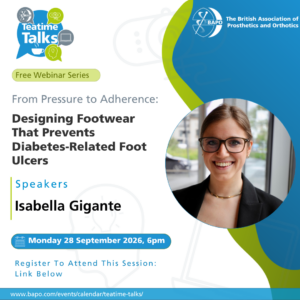
Therapeutic footwear is key to preventing diabetes-related foot ulcers. This session will present findings from the most comprehensive systematic review to date examining how different footwear components influence both biomechanical and user-related outcomes. The talk will also explore emerging evidence on non-plantar pressure and footwear fit, highlighting areas where current clinical practice may benefit from more objective assessment methods. Attendees will gain practical insights into applying research evidence to support the design and prescription of personalised therapeutic footwear for people with diabetes at higher risk of ulceration.
Learning Objectives
Learn how to apply current scientific evidence on therapeutic footwear design components to improve ulcer prevention, patient adherence, and clinical decision-making in people at higher risk of diabetes-related foot ulceration.
Who Is This Session For?
Even if you have limited experience in diabetic foot management or footwear prescription, this session will provide practical, evidence-based insights that can be applied in everyday orthotic and clinical practice.
Key Takeaways
- Evidence for therapeutic footwear extends beyond plantar pressure and includes adherence, usability, balance, and quality of life.
- Specific footwear design components influence outcomes differently, highlighting the importance of evidence-based and personalised footwear provision.
- Non-plantar pressure and footwear fit represent emerging areas of research that may improve future ulcer prevention strategies.